






© Copyright 2005-2026 SCREEN PRO® All Rights Reserved | Specifications are subject to change without notice. All Rights ReservedSite Map Designed by iwonder.cn


When choosing a projection screen, several factors need to be considered, such as the type of content you’ll be watching, the room environment, and the projector you're using. Let's break it down into key areas:
1. Screen Size
Room Size & Viewing Distance: The size of the screen should be appropriate for the room’s dimensions and the viewers' distance from the screen. A general recommendation is for the screen width to be about 1/3 of the viewing distance.
Aspect Ratio: Choose the aspect ratio (16:9, 16:10, 2.35:1) based on your content type. For HDTV, 16:9 is standard. For cinematic experiences, 2.35:1 is preferred, and for general computing, 16:10 can be useful.
2. Screen Material (Gain)
The material gain refers to how reflective the screen surface is. A higher gain means more reflection, which brightens the image, but can also narrow the viewing angle.
Matte White (1.0 gain):
Best for: Most home theater setups. Matte white screens have a neutral color balance and offer wide viewing angles. They work well in rooms with controlled lighting.
Gain: 1.0 (Standard) or slightly lower (0.8) for more light diffusion.
High Gain Materials:
Best for: Rooms with some ambient light or if you want more brightness from a dimmer projector.
Gain: 1.5-2.5. However, the tradeoff is reduced viewing angle and potential color distortion when viewed from off-center angles.
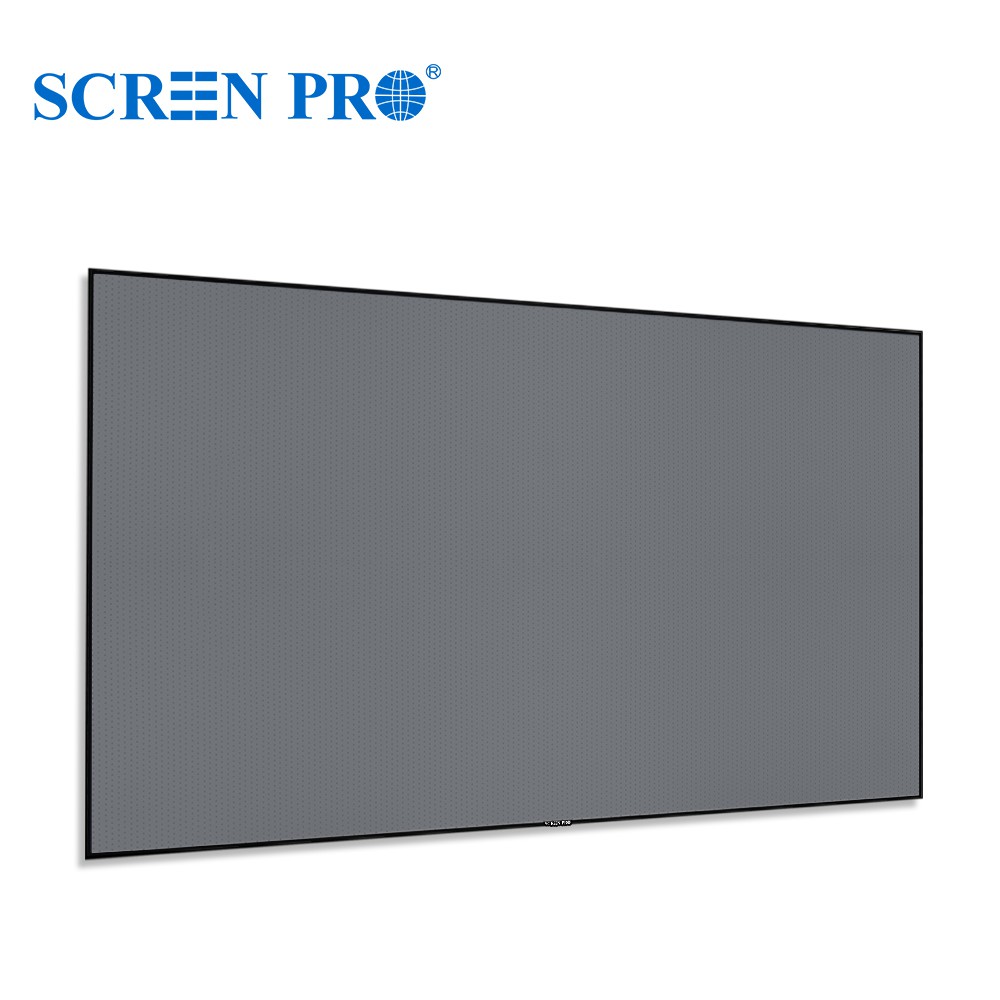
Gray Screens (0.8-1.0 gain):
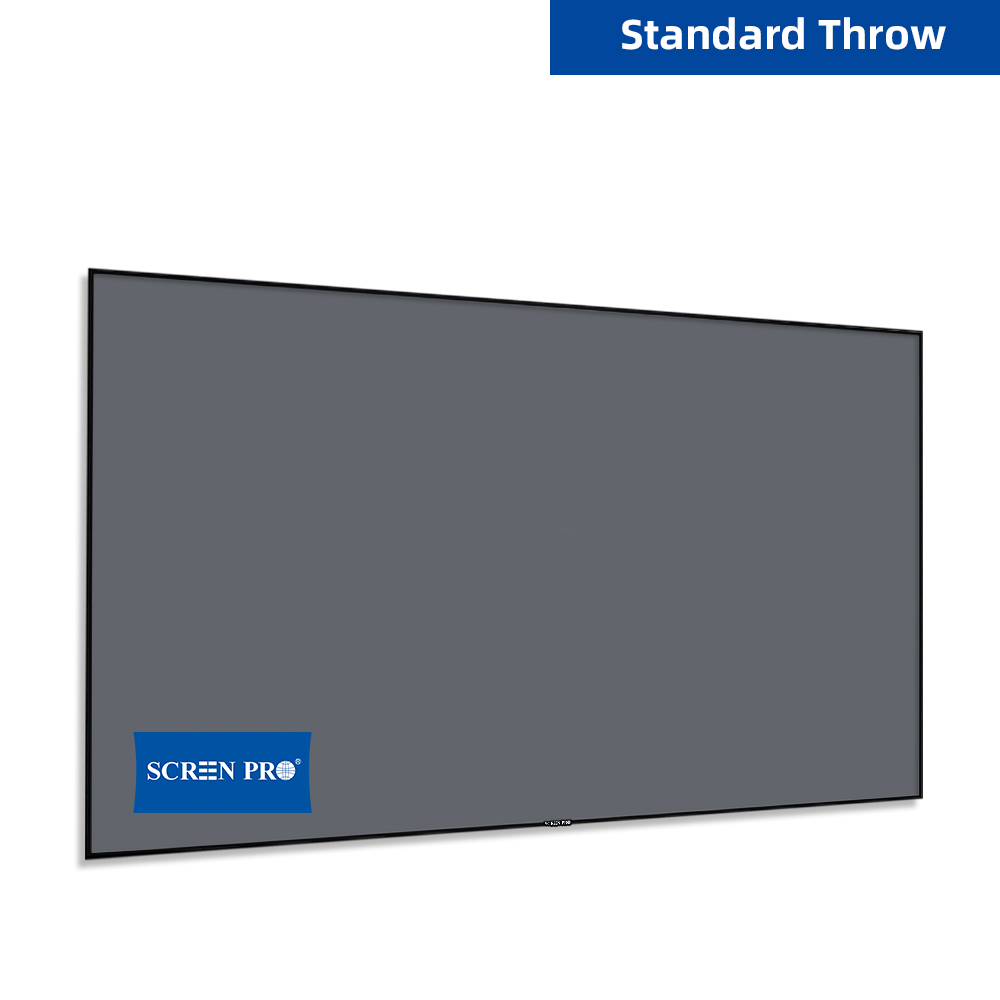
Best for: Rooms with ambient light, as gray screens can help improve contrast by absorbing light rather than reflecting it.
Benefit: Better contrast and black levels in bright environments.
Ultra High Gain (2.5 or more):
Best for: Bright rooms, but be mindful that these screens can significantly narrow the viewing angle, so only viewers sitting directly in front will get a good picture.
3. Ambient Light Control
Light-controlled rooms: If you have a dark room and are using a high-quality projector, a matte white screen with a 1.0 gain would be ideal.
Ambient light rooms: If you can’t control the ambient light, a gray screen or a higher gain screen will improve the image quality by increasing contrast and brightness.
4. Screen Surface:
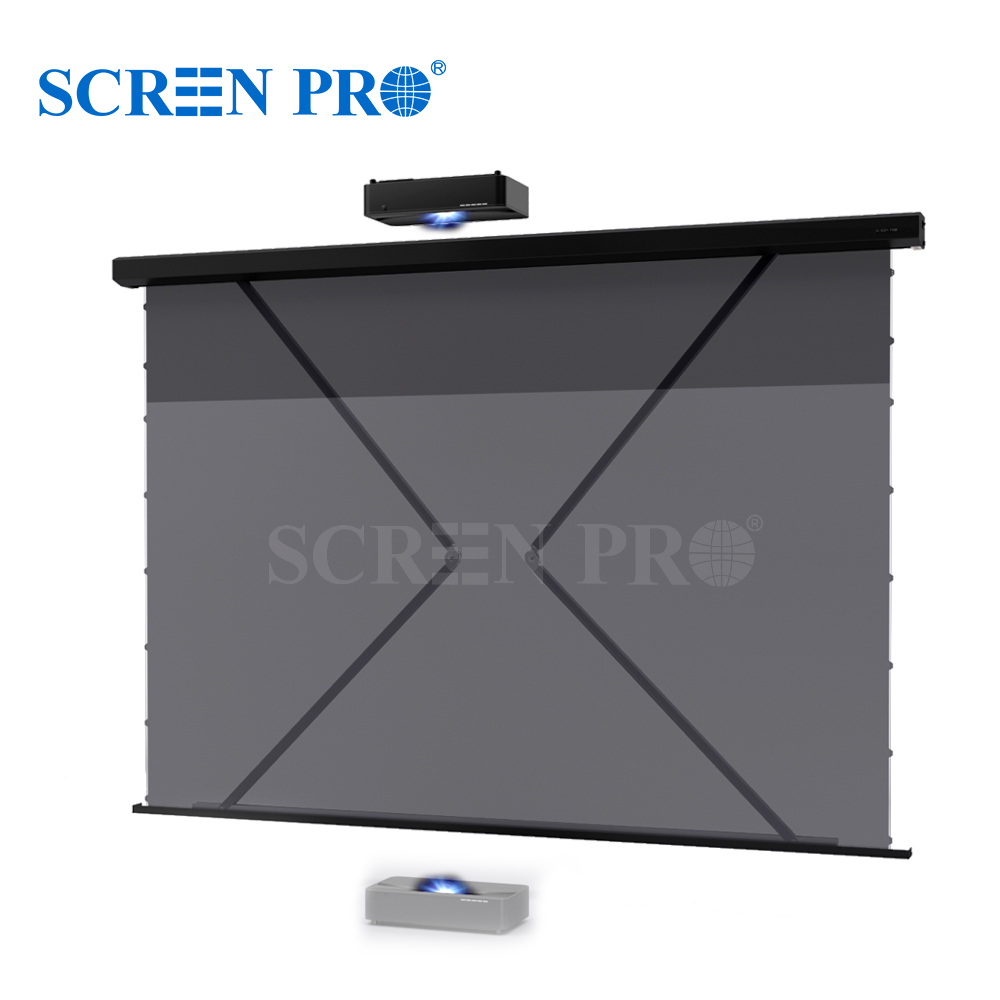
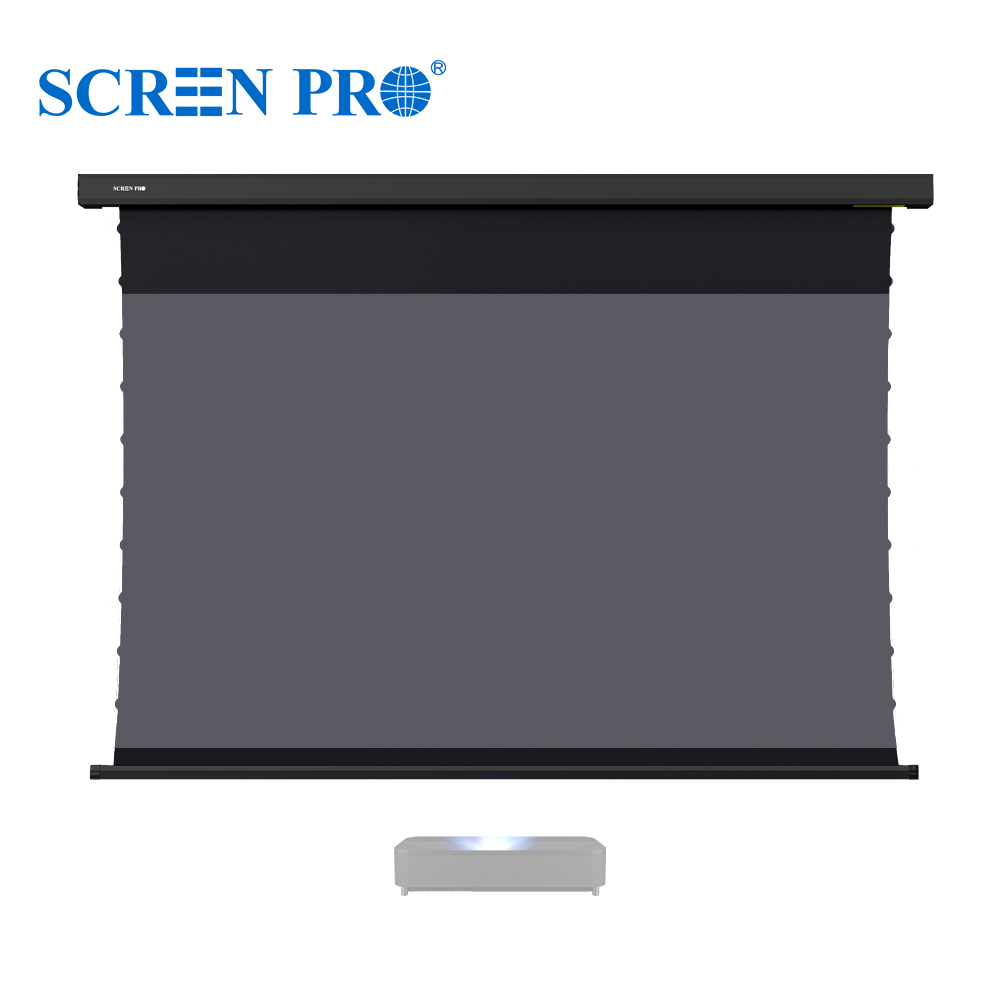
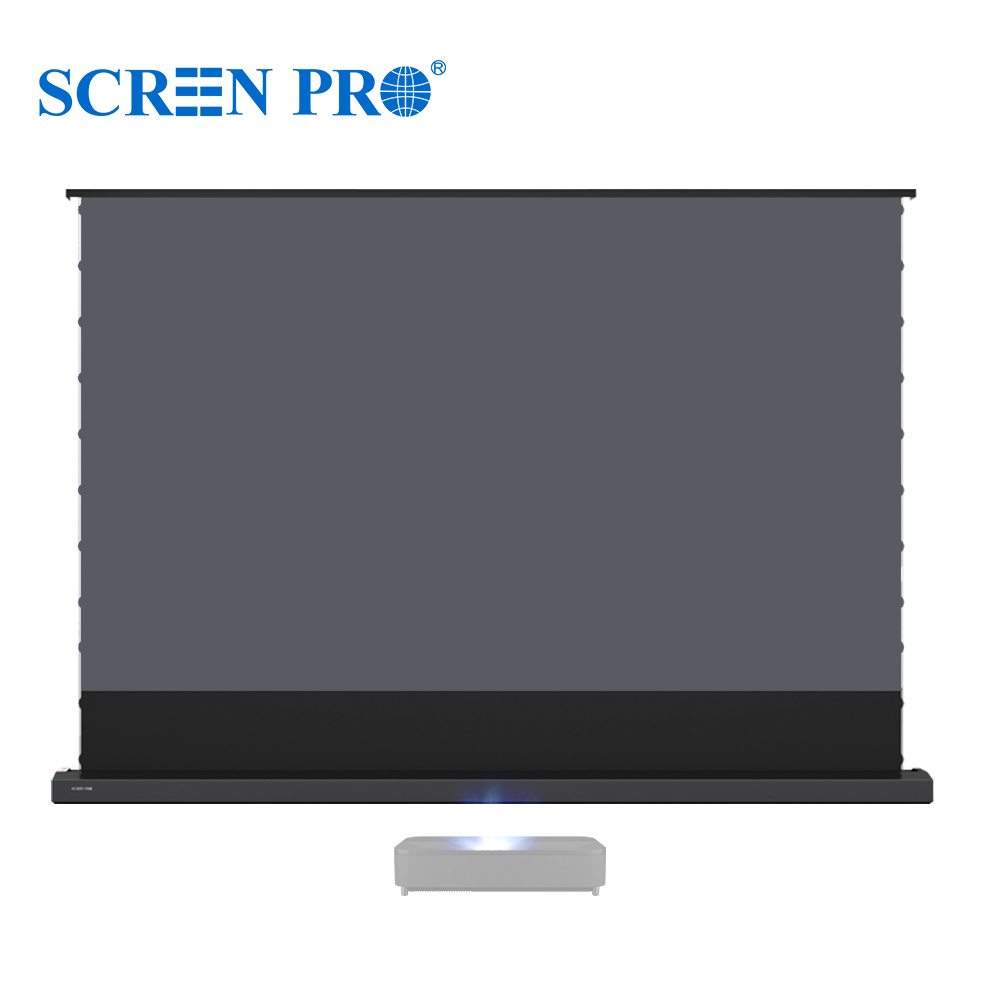
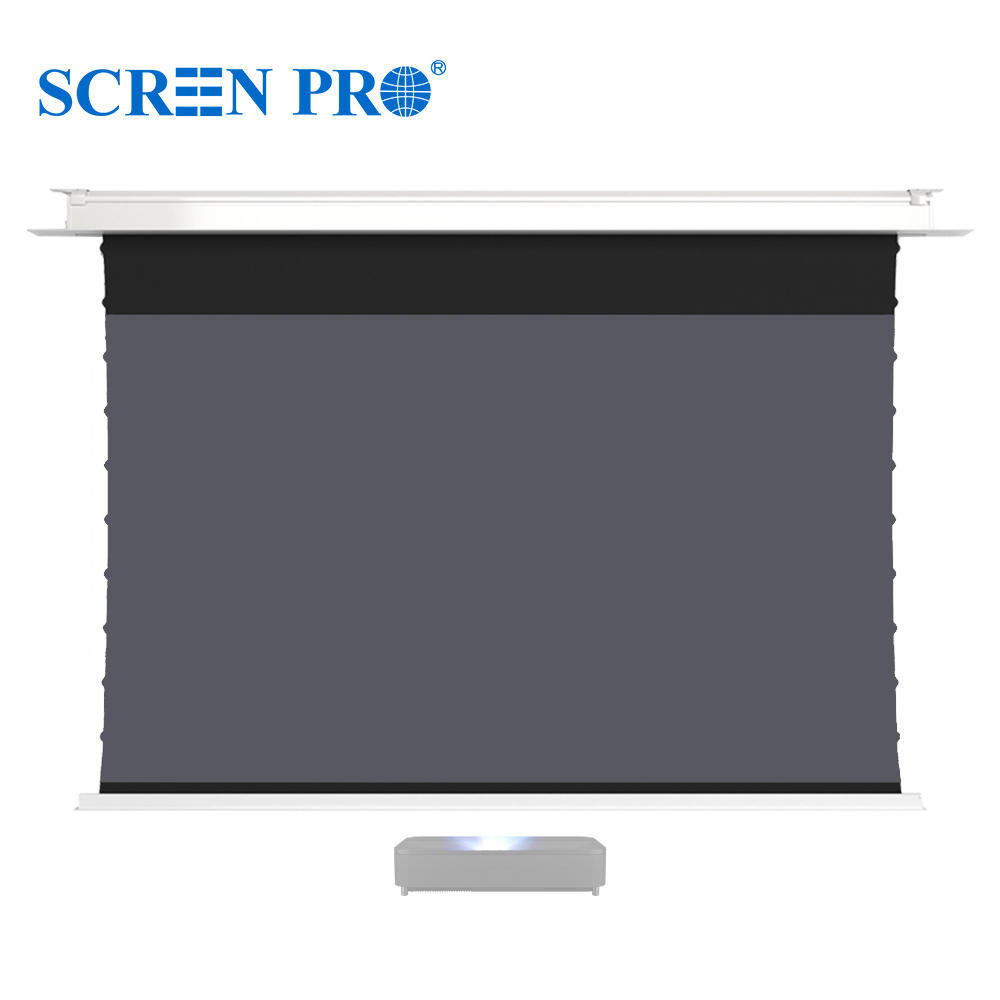
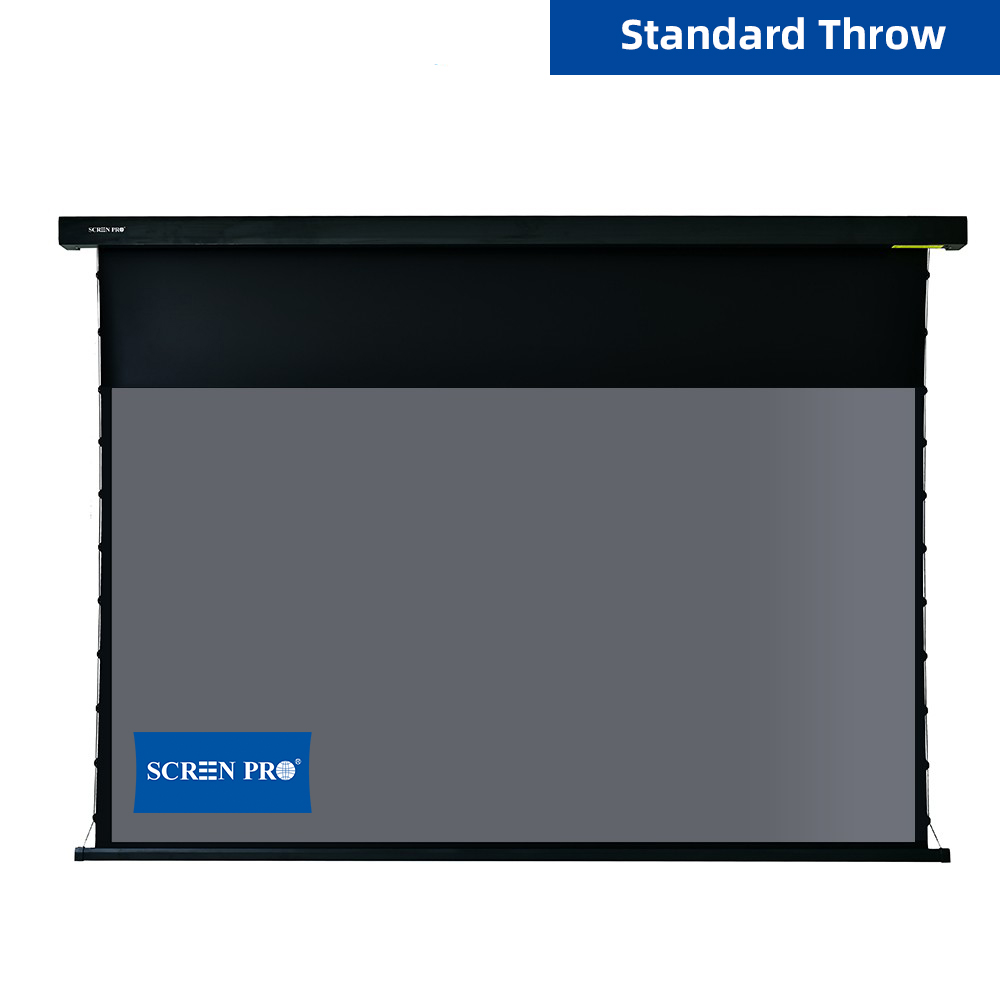
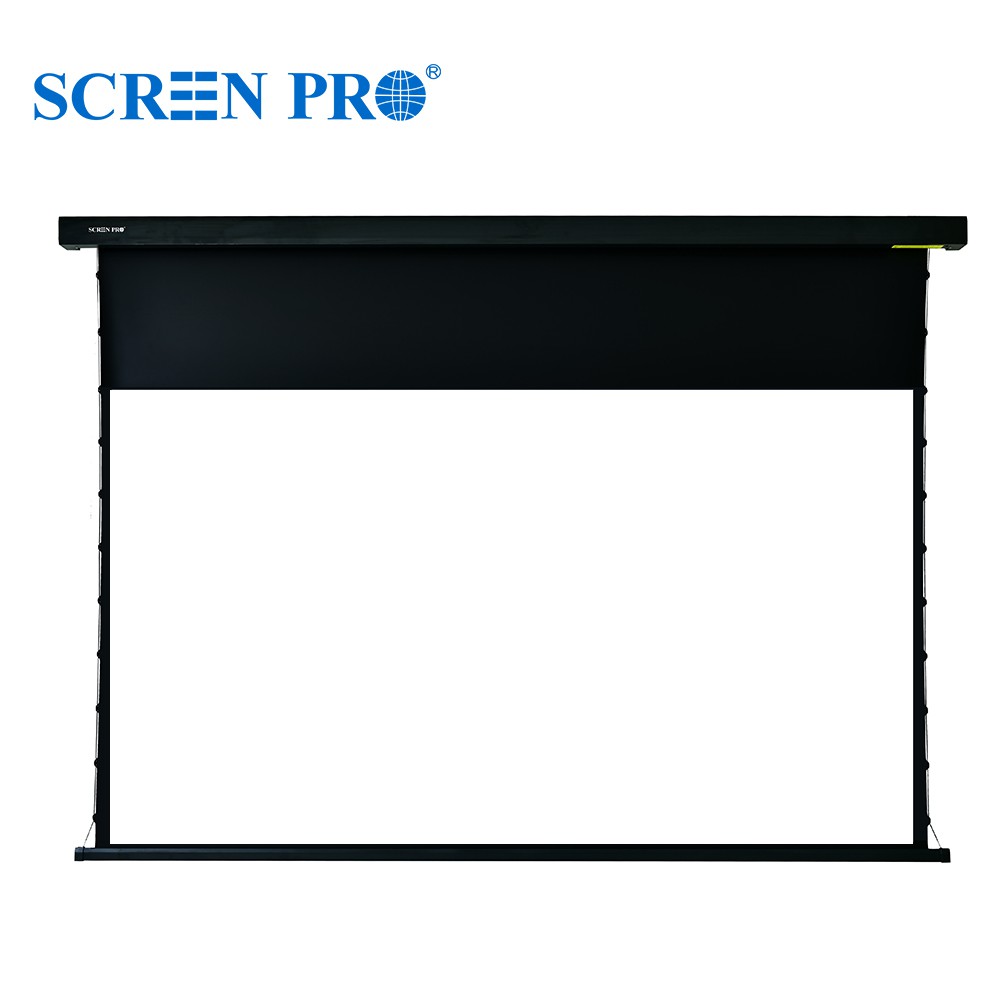
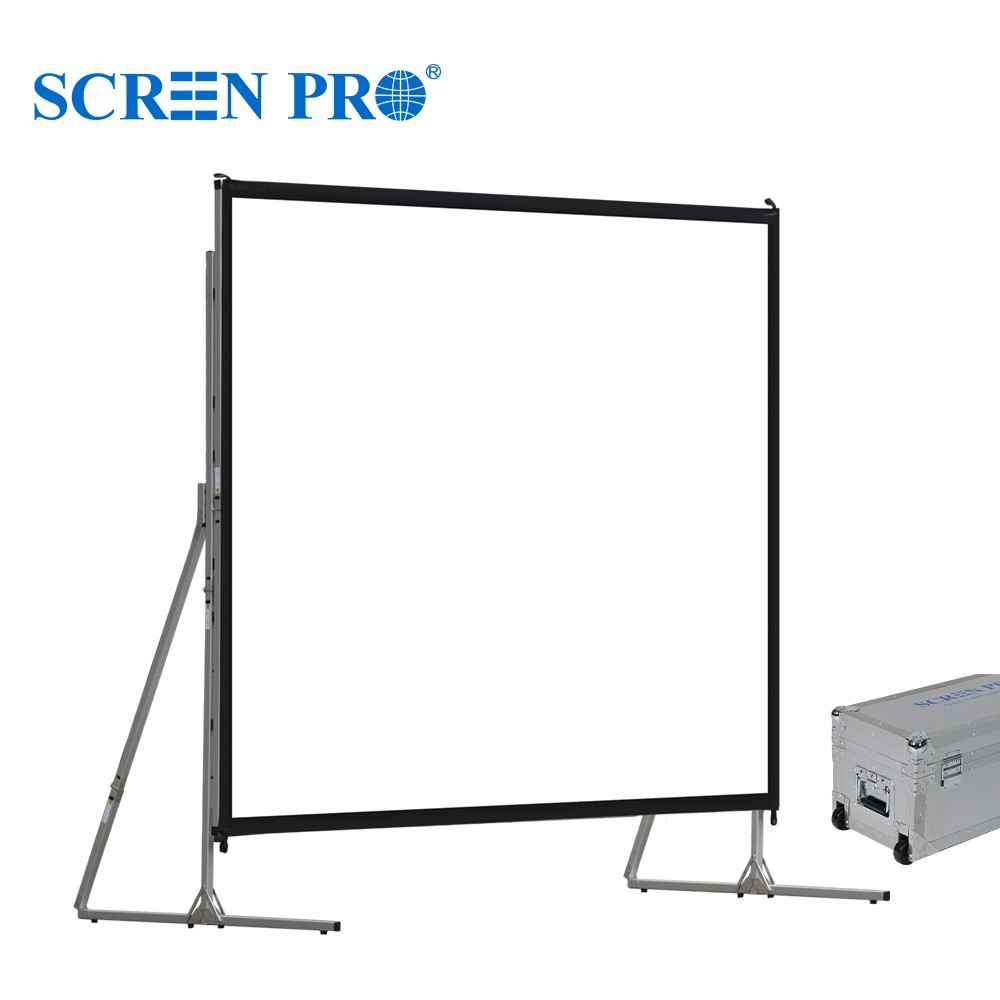
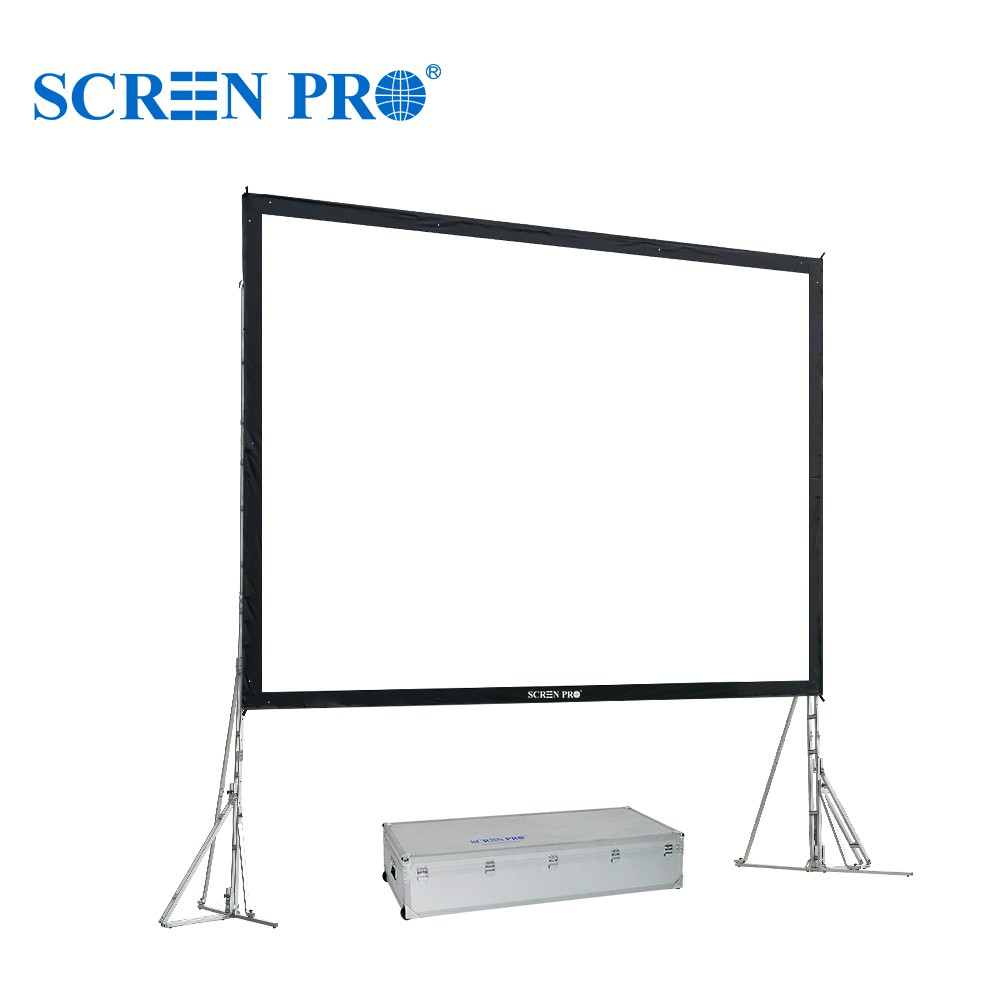
Tensioned Screens: These keep the screen material taut and prevent wrinkles. They are especially useful for larger screens.
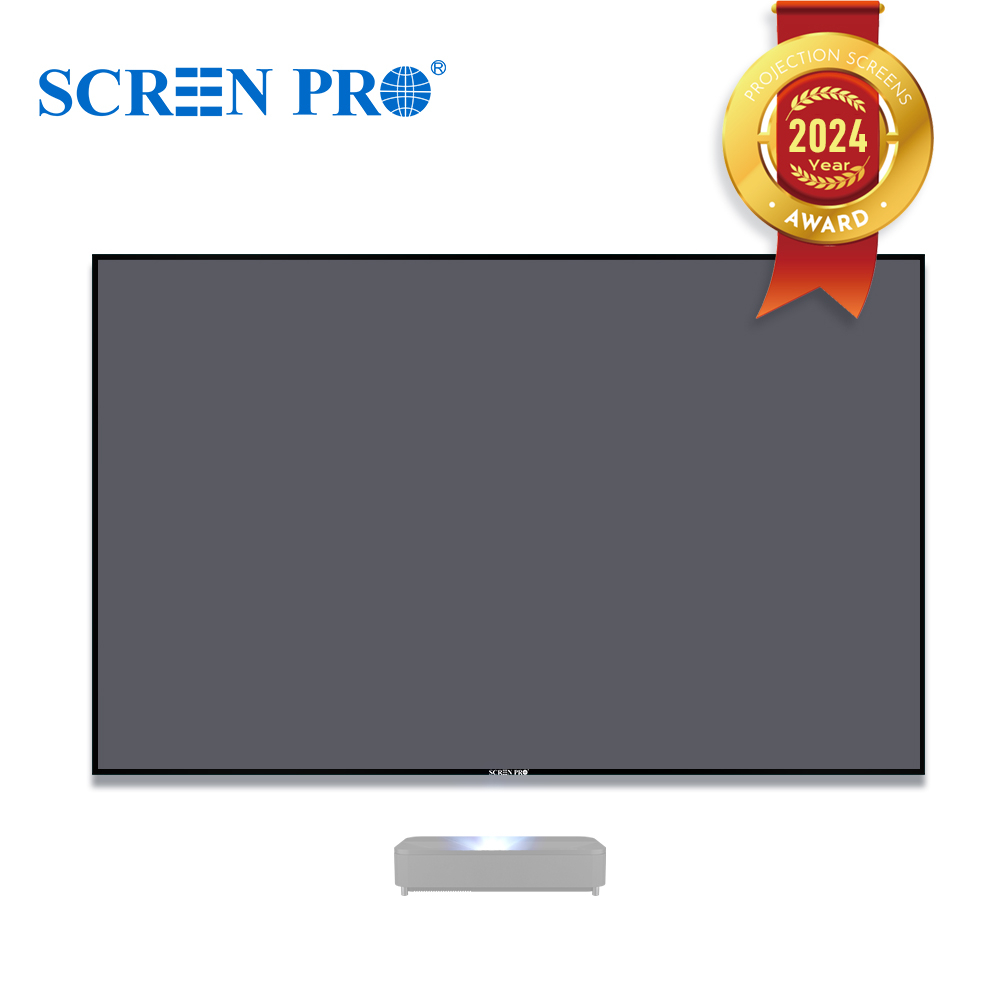
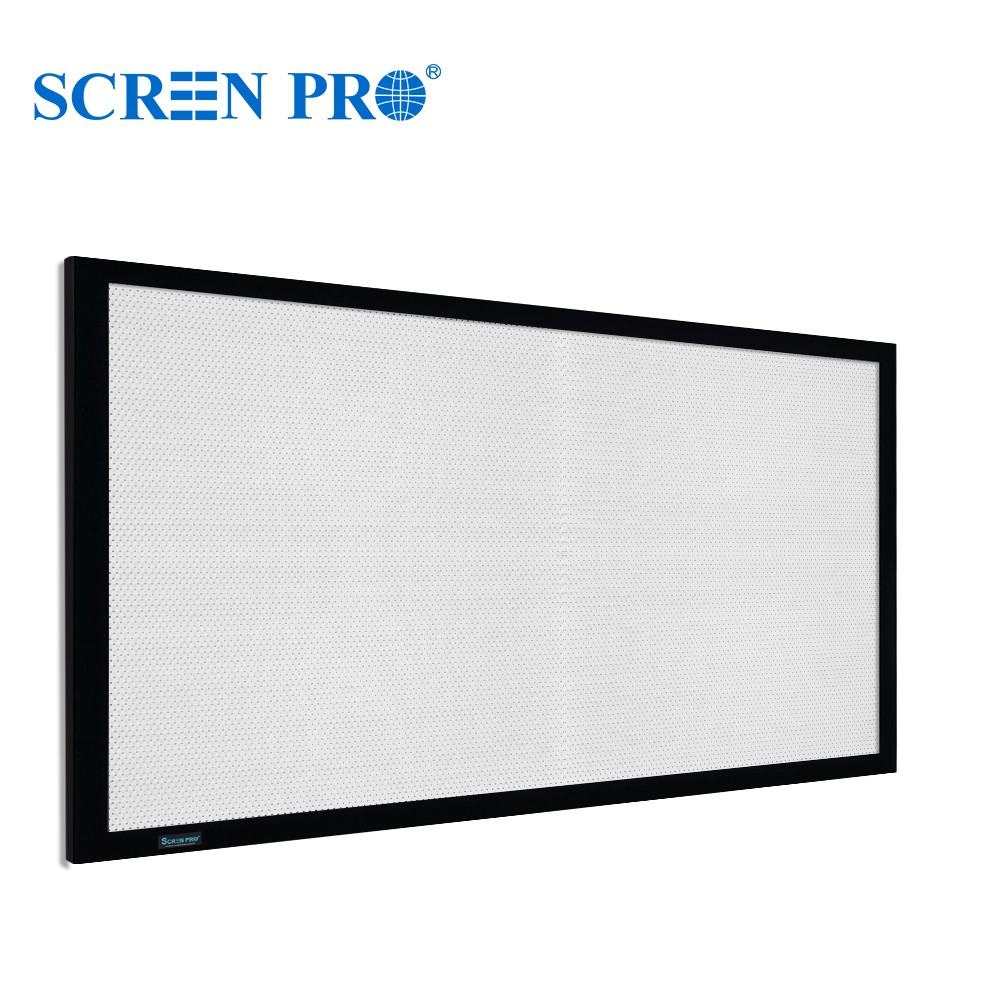
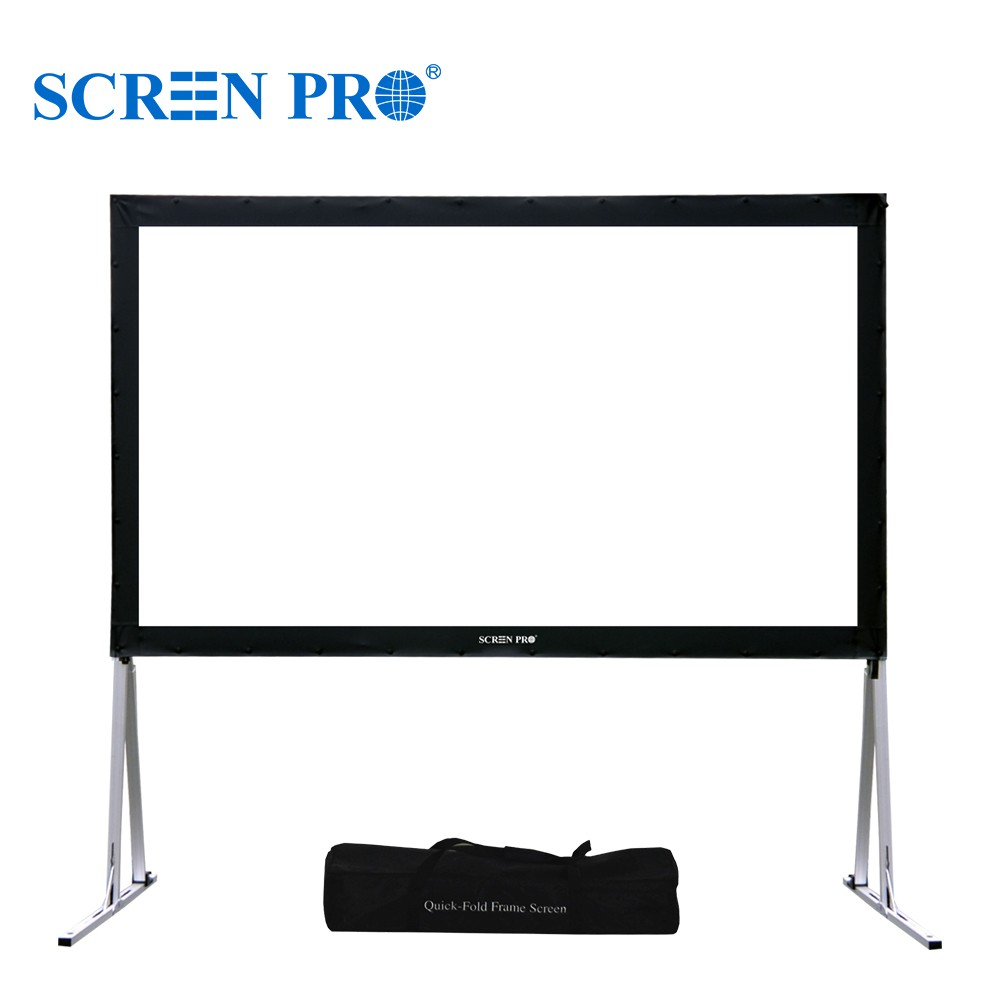
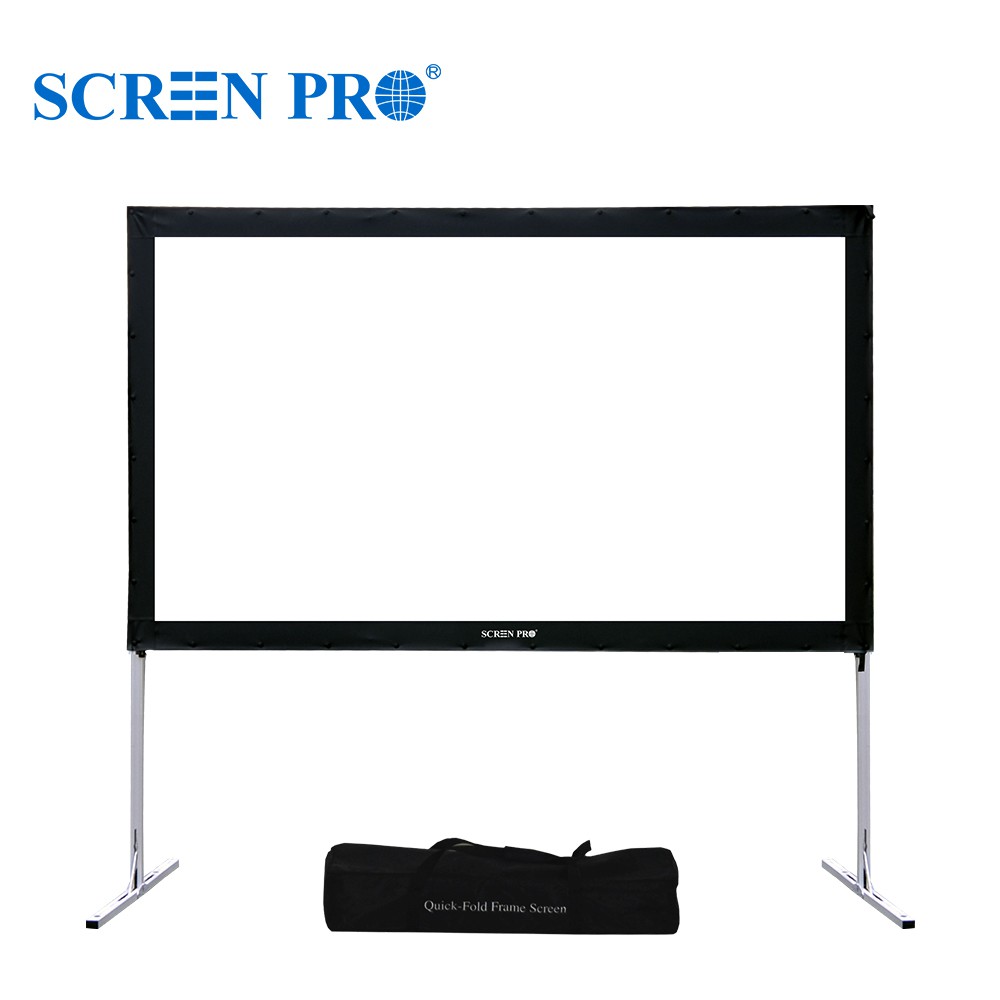
Fixed Frame Screens: They offer the best image quality because they are permanently mounted and the screen is always taut.
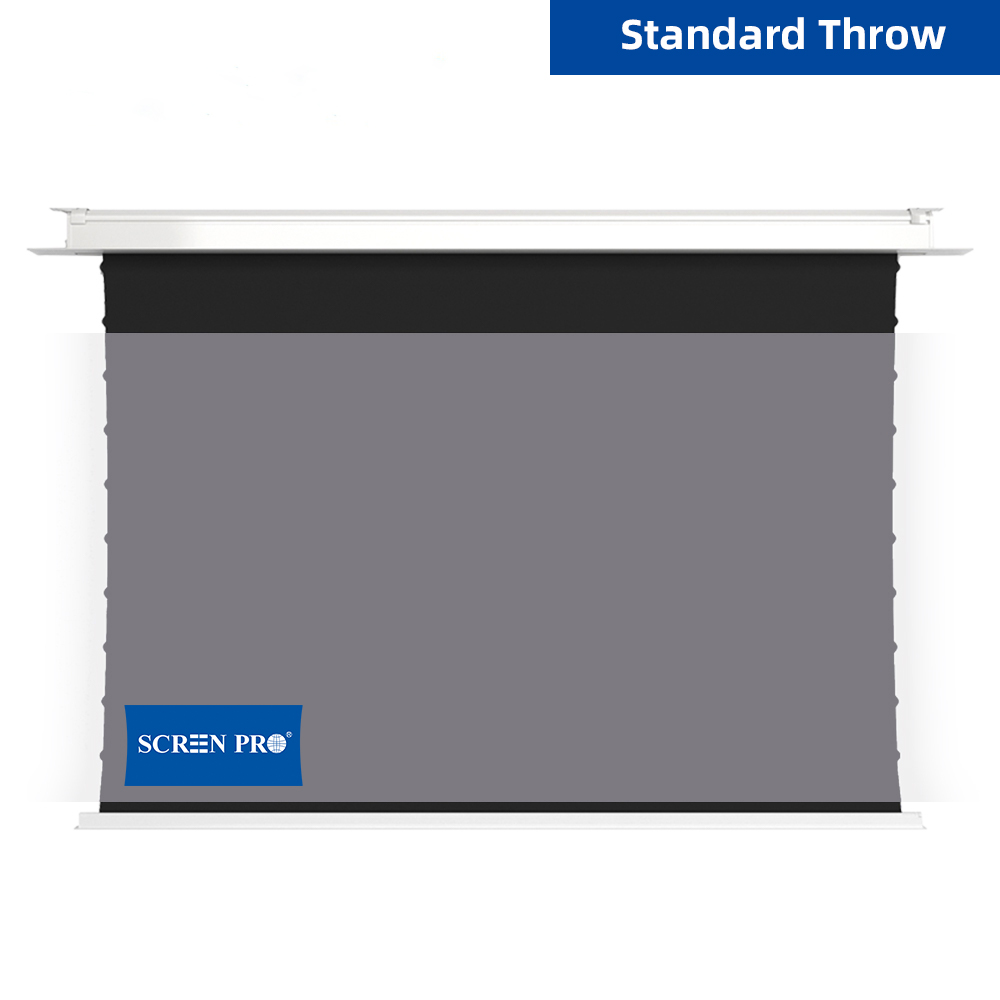
Manual or Electric Retractable Screens: Good for saving space or if you need flexibility (e.g., a projector in a multi-purpose room).
5. Projector Type:
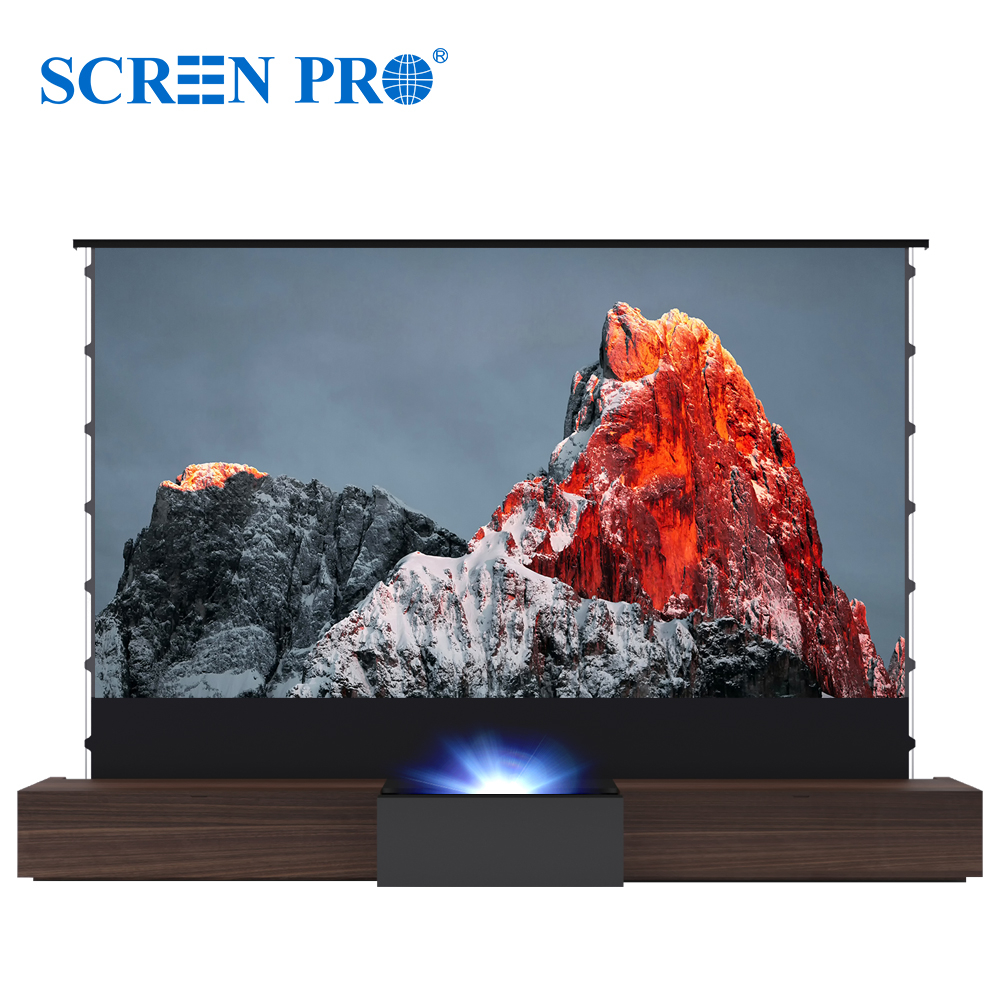
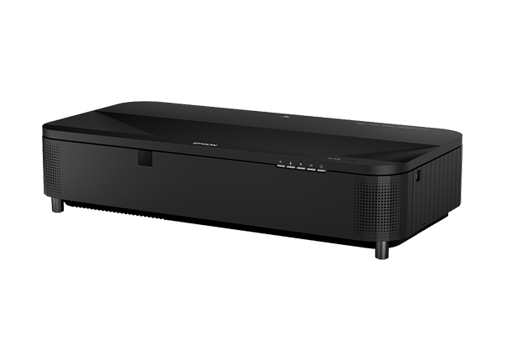
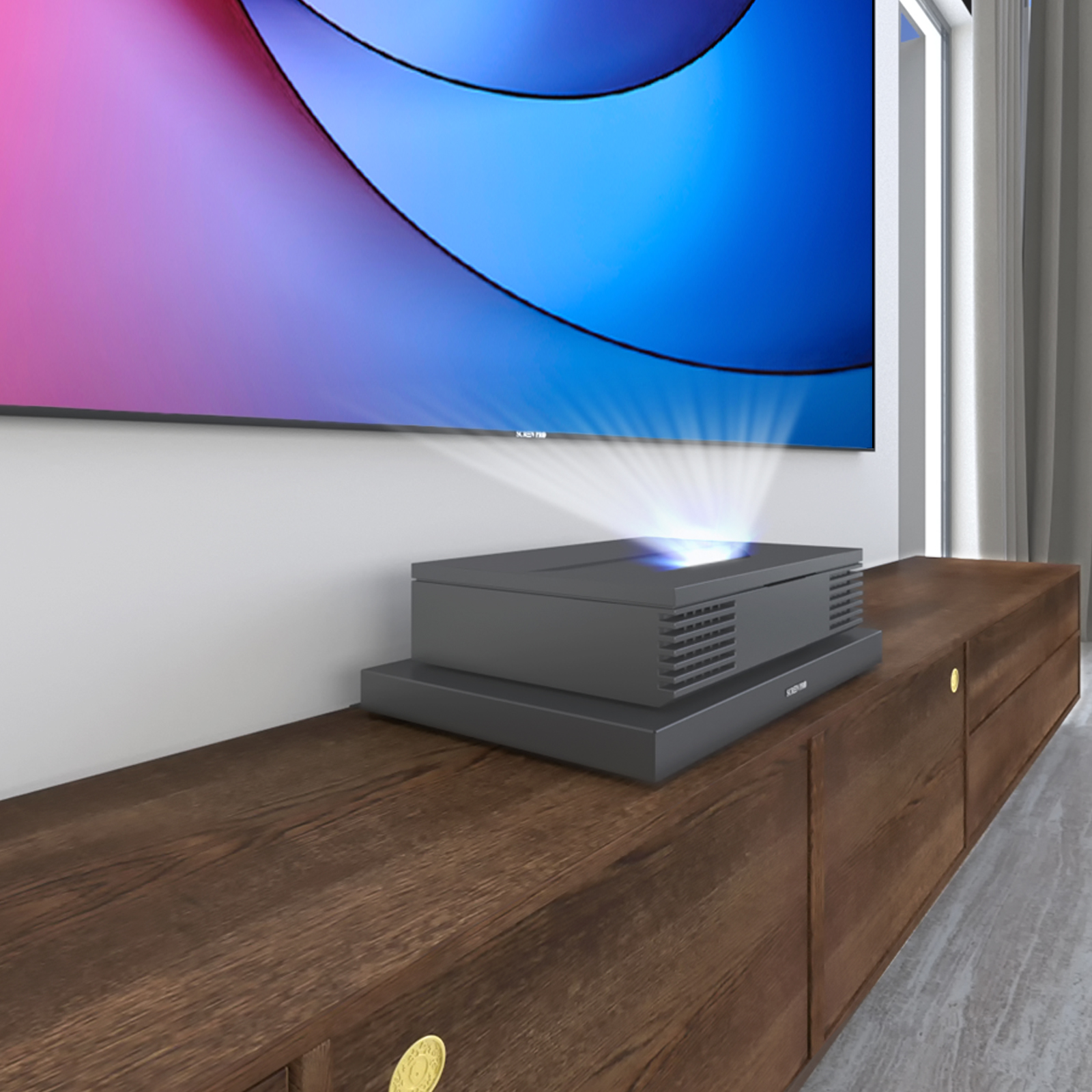
Short Throw Projectors: If you're using a short-throw projector, you may want to look for a screen that’s optimized for that, as these projectors throw light at steep angles.
Long Throw Projectors: These are more forgiving when it comes to screen types. A flat, matte white screen is often perfect.
6. Screen Form Factor:
Fixed Screens: Fixed-frame screens are the most common in home theaters and offer the best image quality.
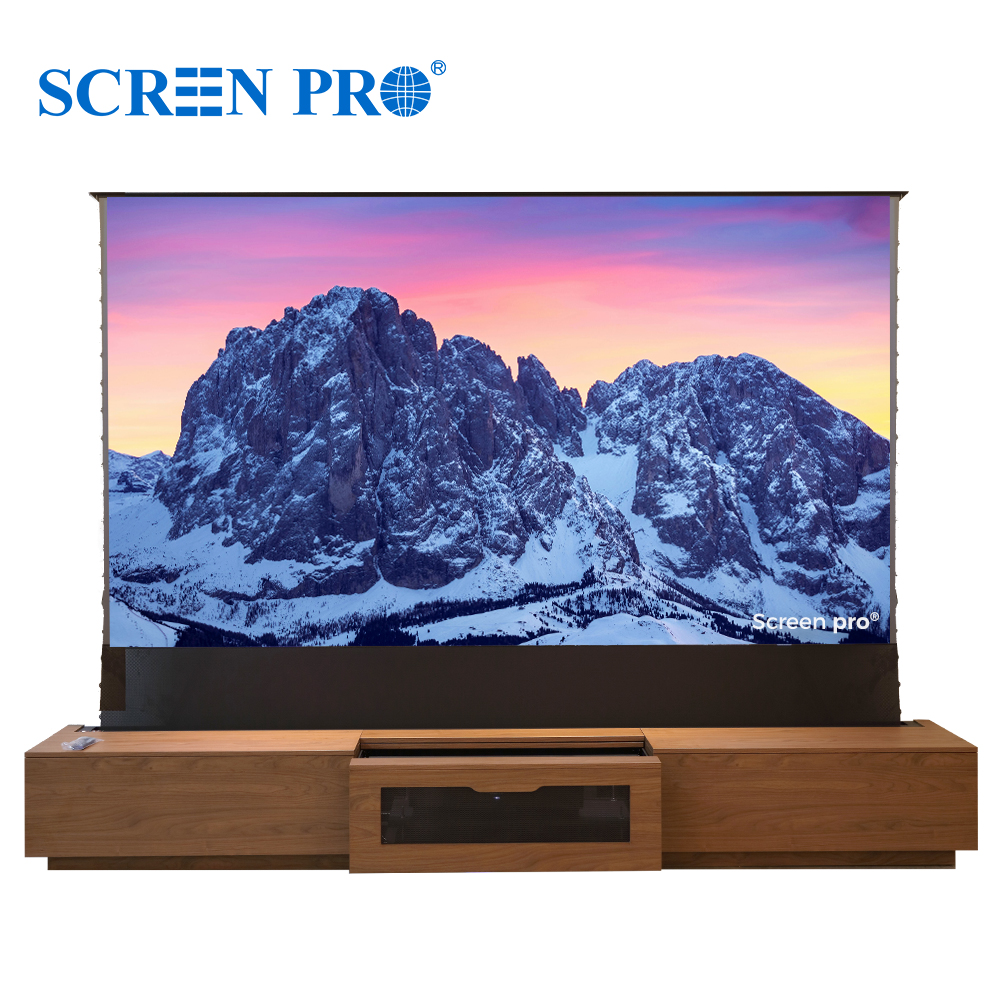
Retractable Screens: If you need a screen that can be hidden or retracted, look for quality motorized or manual retractable screens.
My Recommendation
If you have a dark, dedicated home theater room, I'd recommend going with a matte white screen with a gain of 1.0. It offers a good balance of brightness, contrast, and viewing angle.
If your room has ambient light (e.g., light coming in from windows or overhead lights), go for a gray screen with a gain of 0.8-1.0 to improve black levels and contrast.
General SCREEN PRO Screens FAQ’s
SCREENPRO: FIND ONLINE
SCREENPRO: Yes, the size can be customized from 60 inches to 500 inches plus





© Copyright 2005-2026 SCREEN PRO® All Rights Reserved | Specifications are subject to change without notice. All Rights ReservedSite Map Designed by iwonder.cn