

© Copyright 2004-2026 SCREEN PRO® All Rights Reserved | Specifications are subject to change without notice. All Rights ReservedSite Map Designed by iwonder.cn


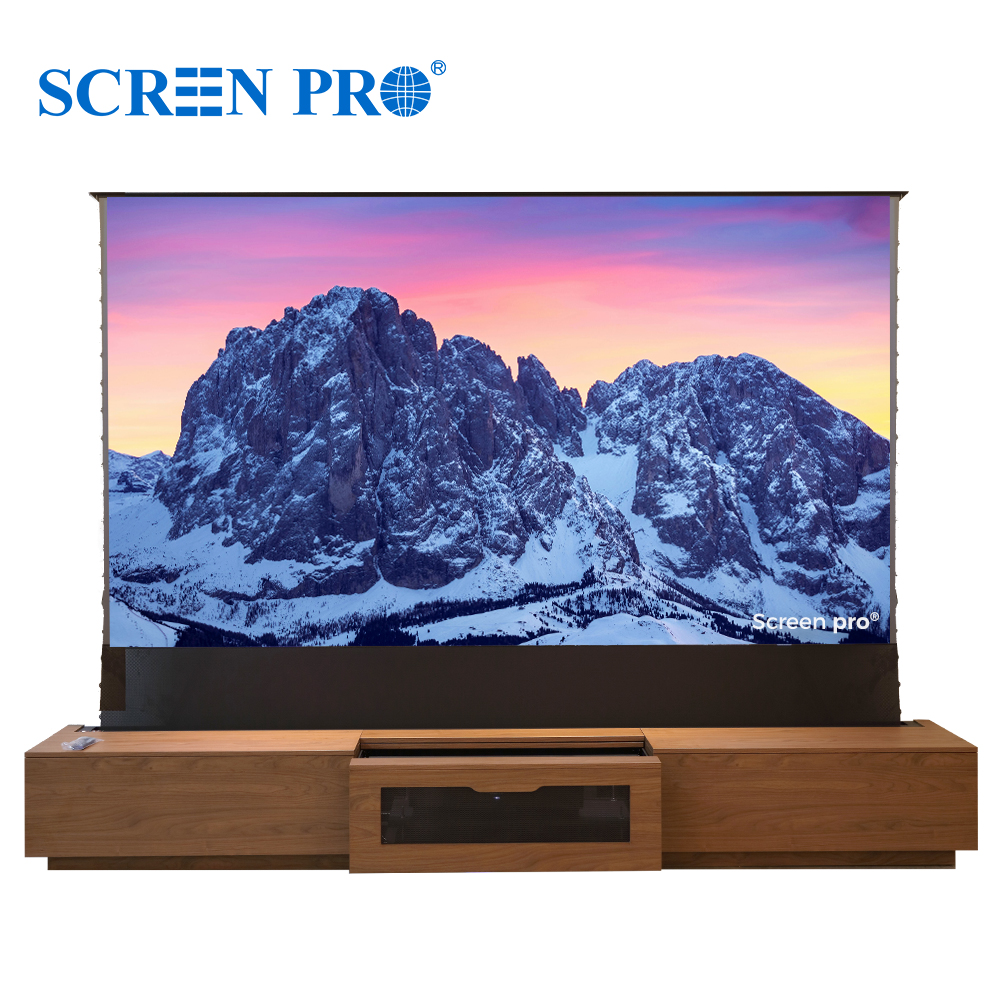
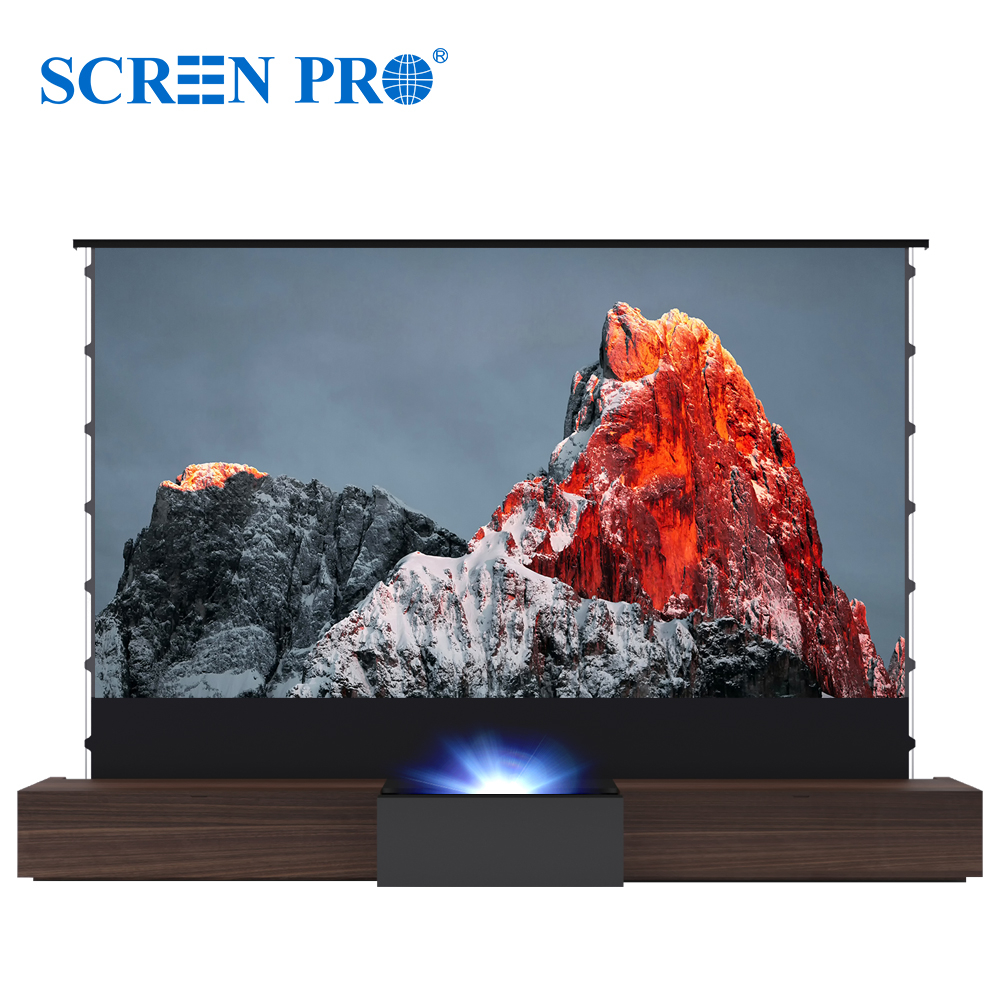
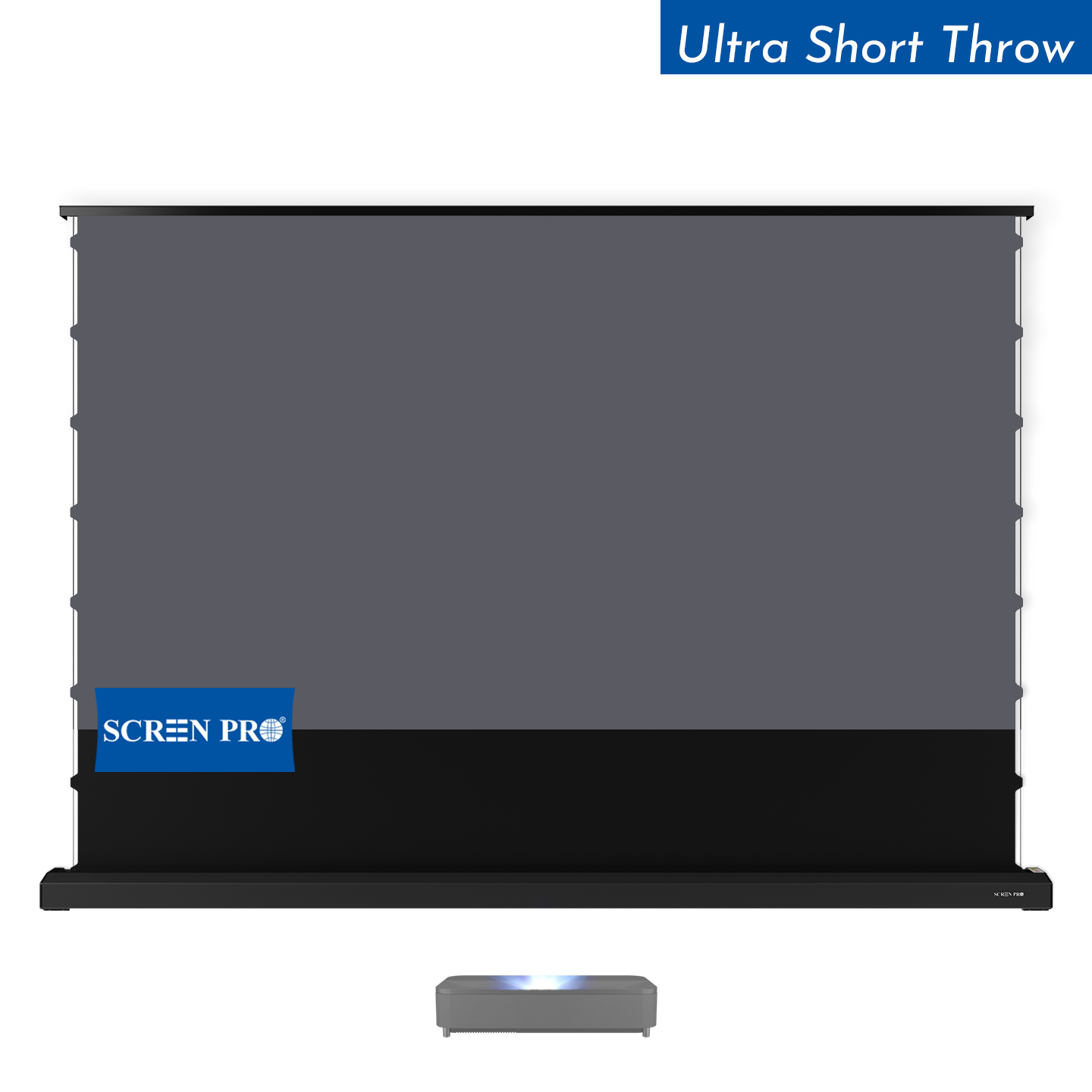
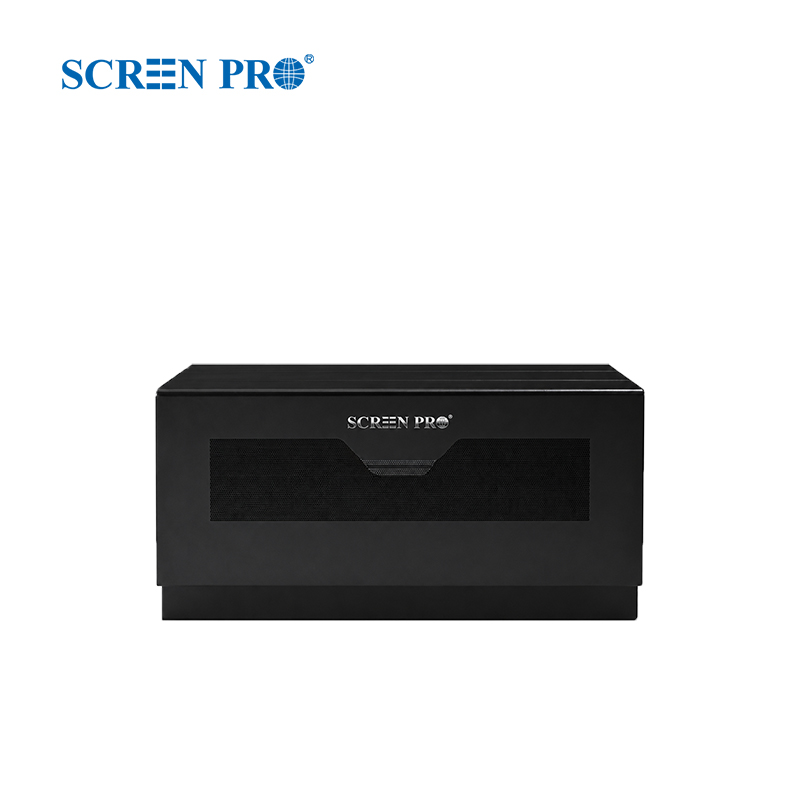
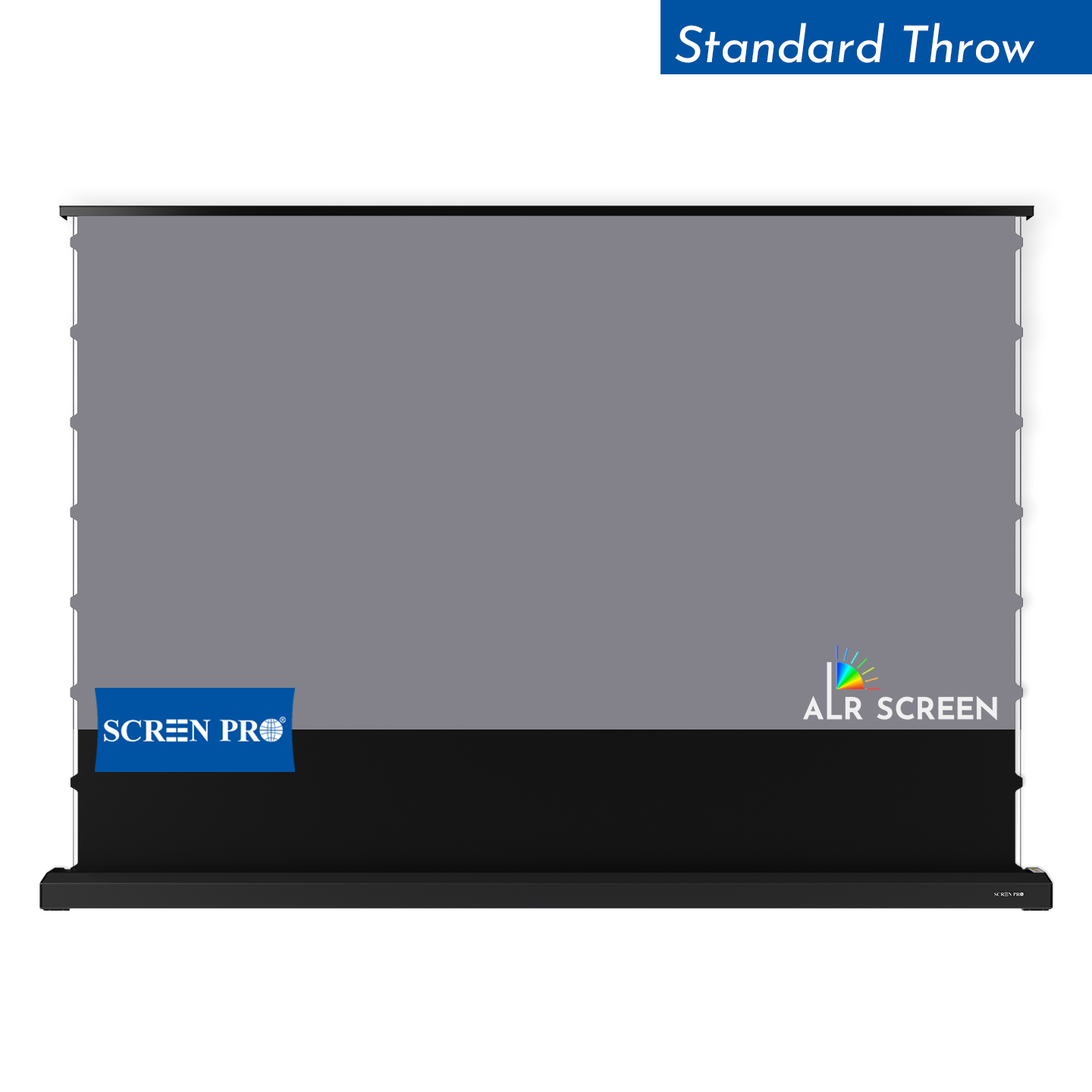
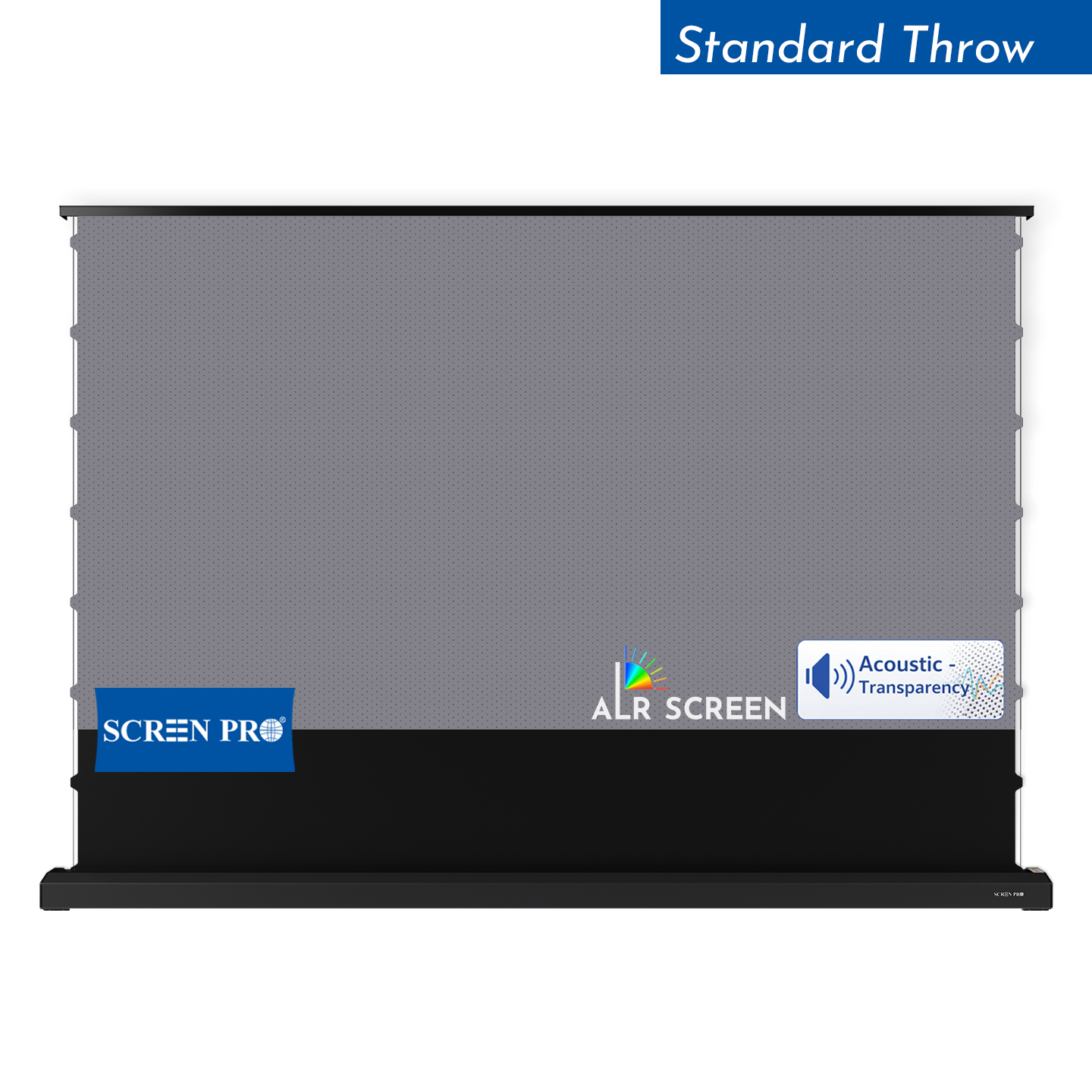
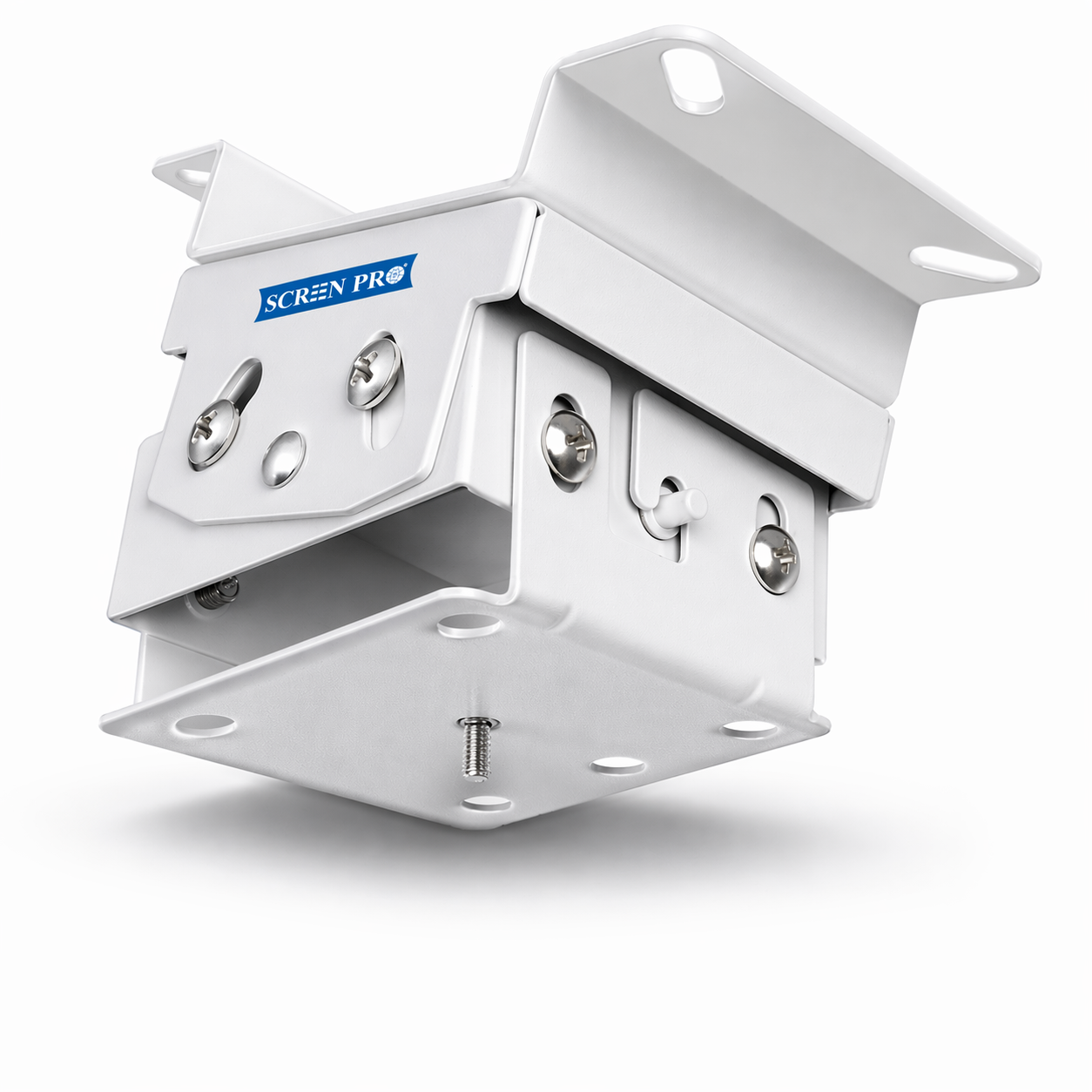
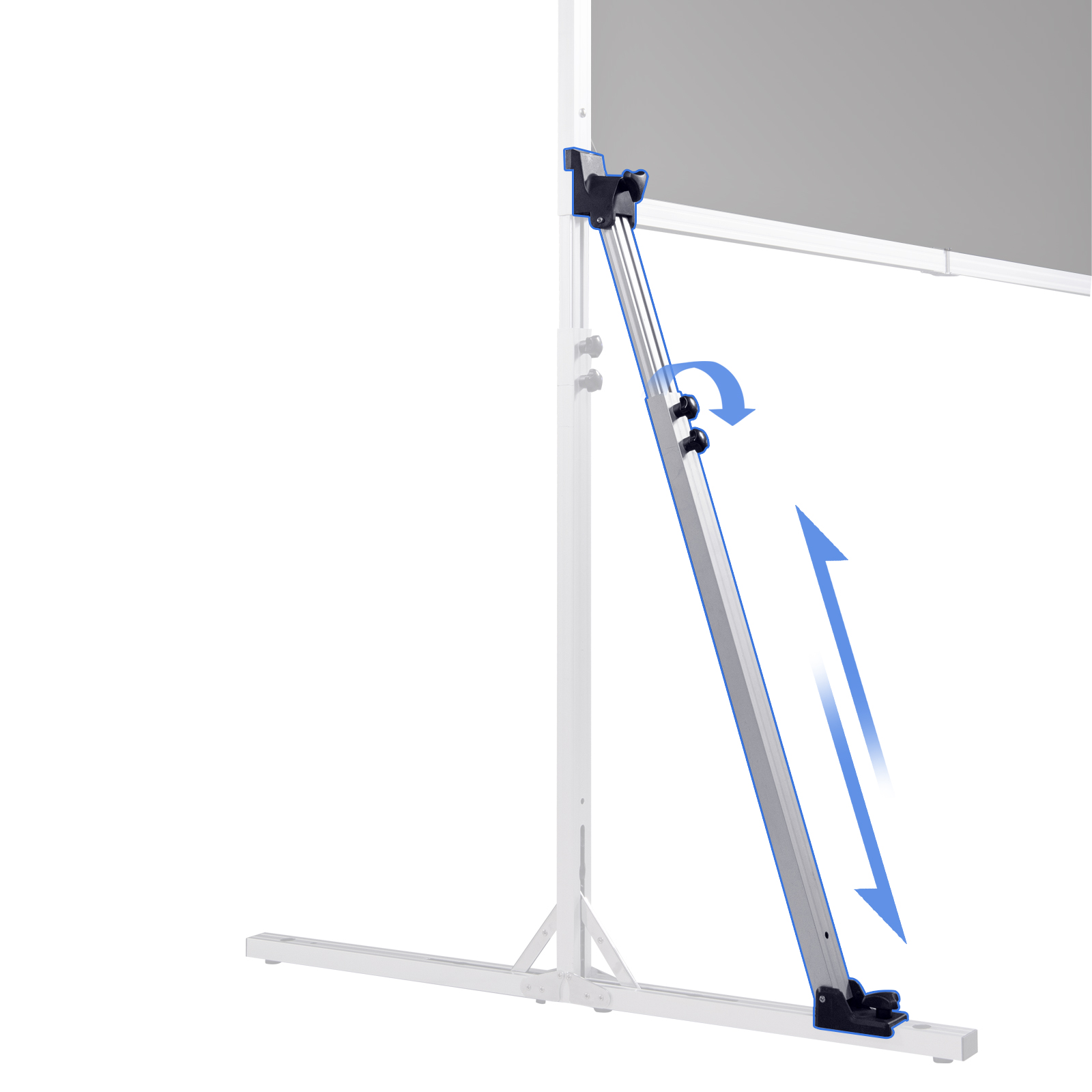
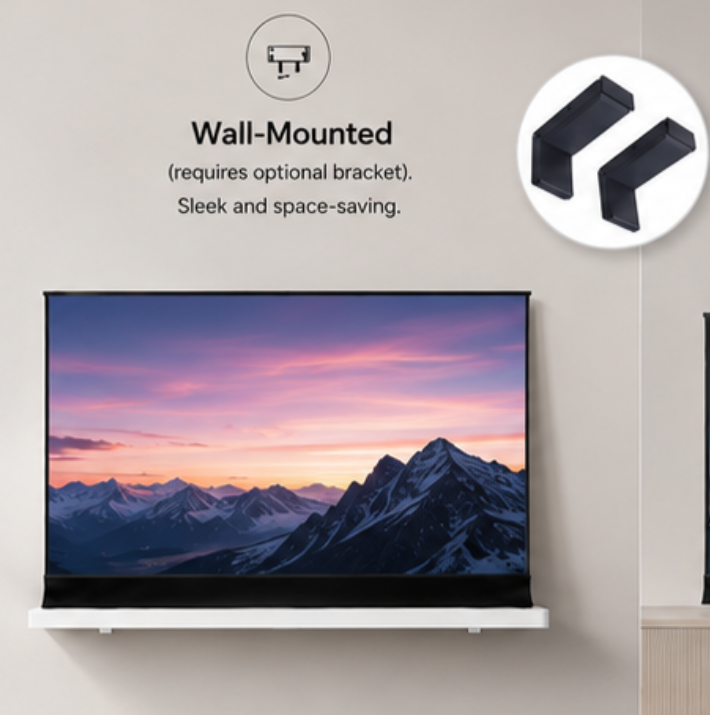
The purpose of this accessory is essentially to transform a traditional floor-rising projector screen into a floating wall-mounted installation solution.
In other words, the SCREENPRO BD-B Wall Bracket is not simply a wall mount. Its real value is helping solve several practical installation challenges commonly encountered with floor-rising projector screens.
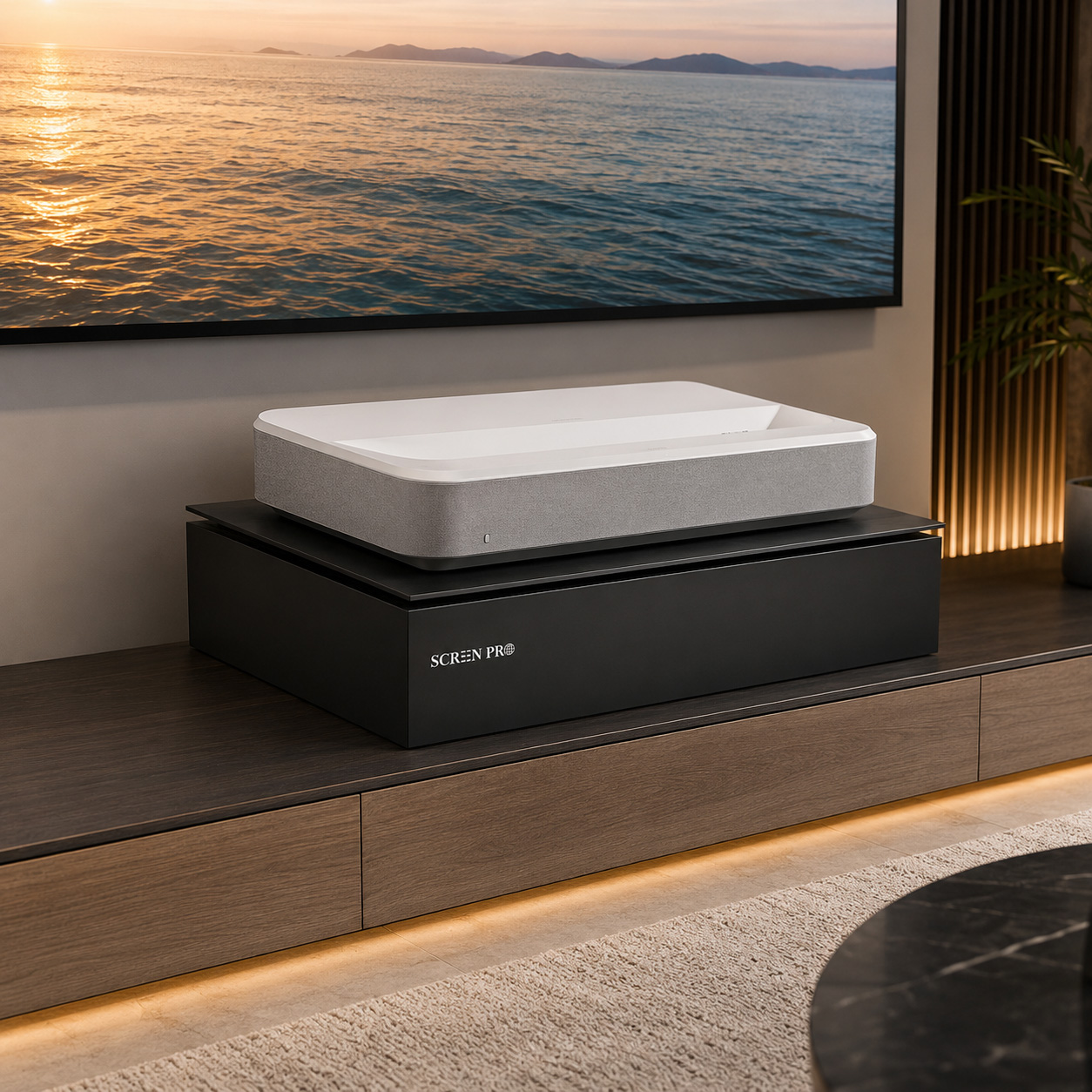
Many UST Laser TV and floor-rising screen installations face the same challenge:
The BD-B bracket allows the screen housing to be mounted on the wall behind the cabinet instead of sitting directly on the floor or tabletop.
This can provide several practical benefits:
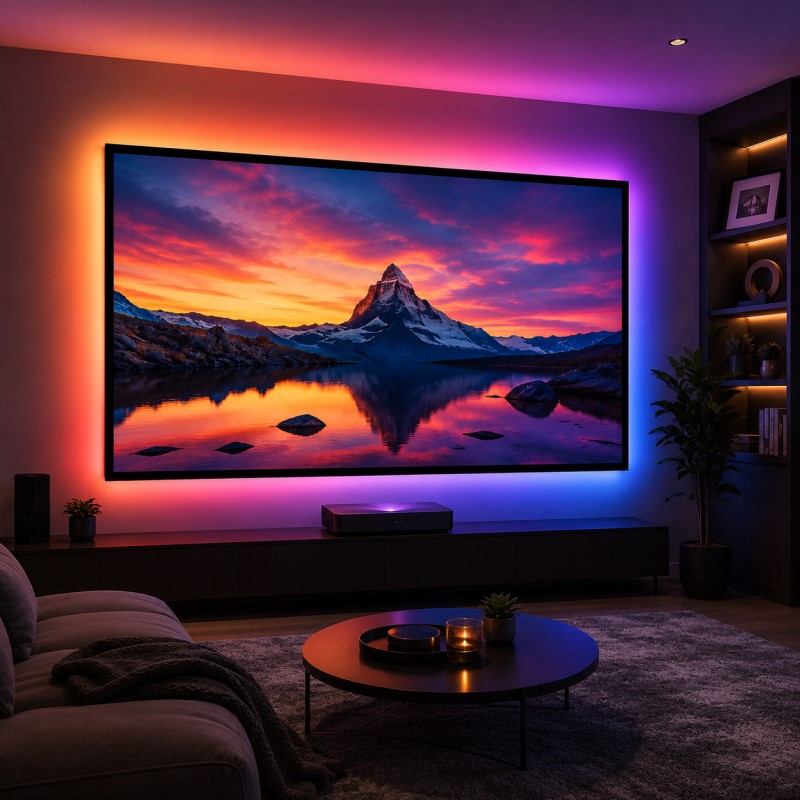
This is particularly useful for modern minimalist living rooms and integrated Laser TV installations.
Larger floor-rising screens, such as 120", 150", or project-sized systems, can have long and substantial screen housings that require careful installation planning.
A suitable wall-mounted installation can help:
This type of installation can be useful for premium home theaters, minimalist interiors, commercial environments, and high-end living spaces.
UST projector installations depend heavily on the relationship between the projector, screen, and cabinet. In some layouts, cabinet depth or screen housing position can make it difficult to achieve the required projection distance.
By allowing the floor-rising screen housing to be positioned independently from the cabinet surface, a wall-mounted bracket can provide additional flexibility when planning:
Final positioning should always be confirmed according to the projector model, required image size, screen dimensions, and installation environment.
A conventional floor-rising screen normally places the screen housing directly on the floor, cabinet, or another supporting surface.
Using the SCREENPRO BD-B Wall Bracket can create a cleaner architectural appearance by allowing the screen housing to appear:
For custom Laser TV furniture and premium home theater projects, this can help create a more integrated overall installation.





© Copyright 2004-2026 SCREEN PRO® All Rights Reserved | Specifications are subject to change without notice. All Rights ReservedSite Map Designed by iwonder.cn