
© Copyright 2004-2026 SCREEN PRO® All Rights Reserved | Specifications are subject to change without notice. All Rights ReservedSite Map Designed by iwonder.cn


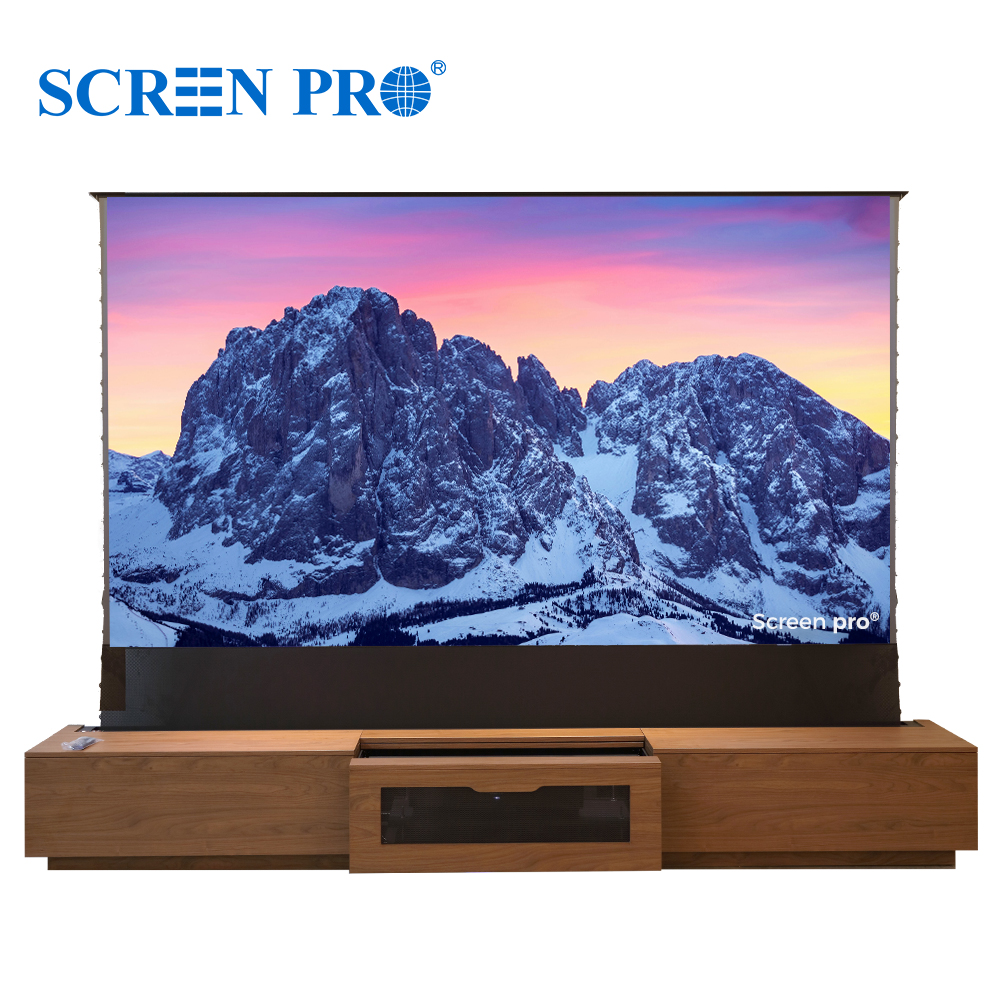
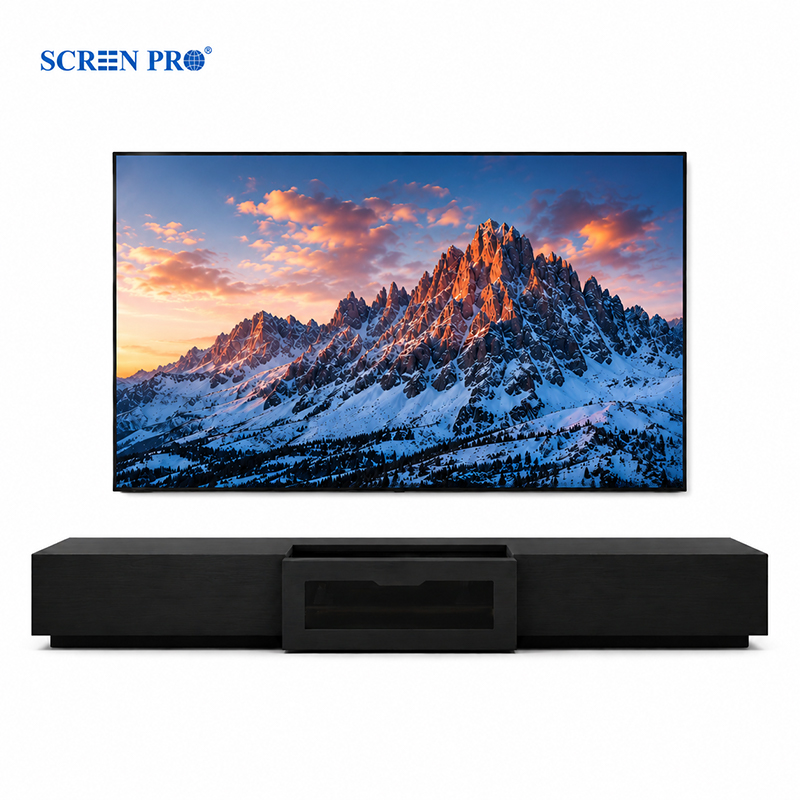
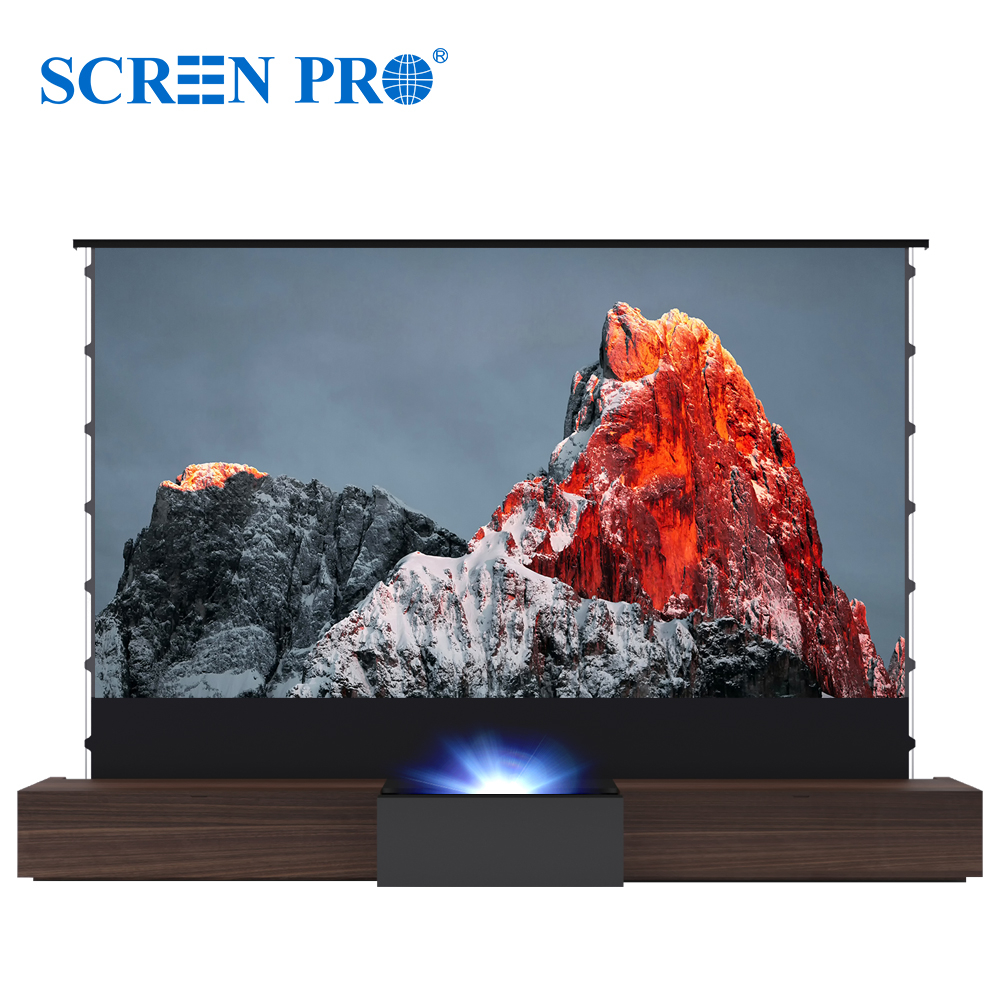
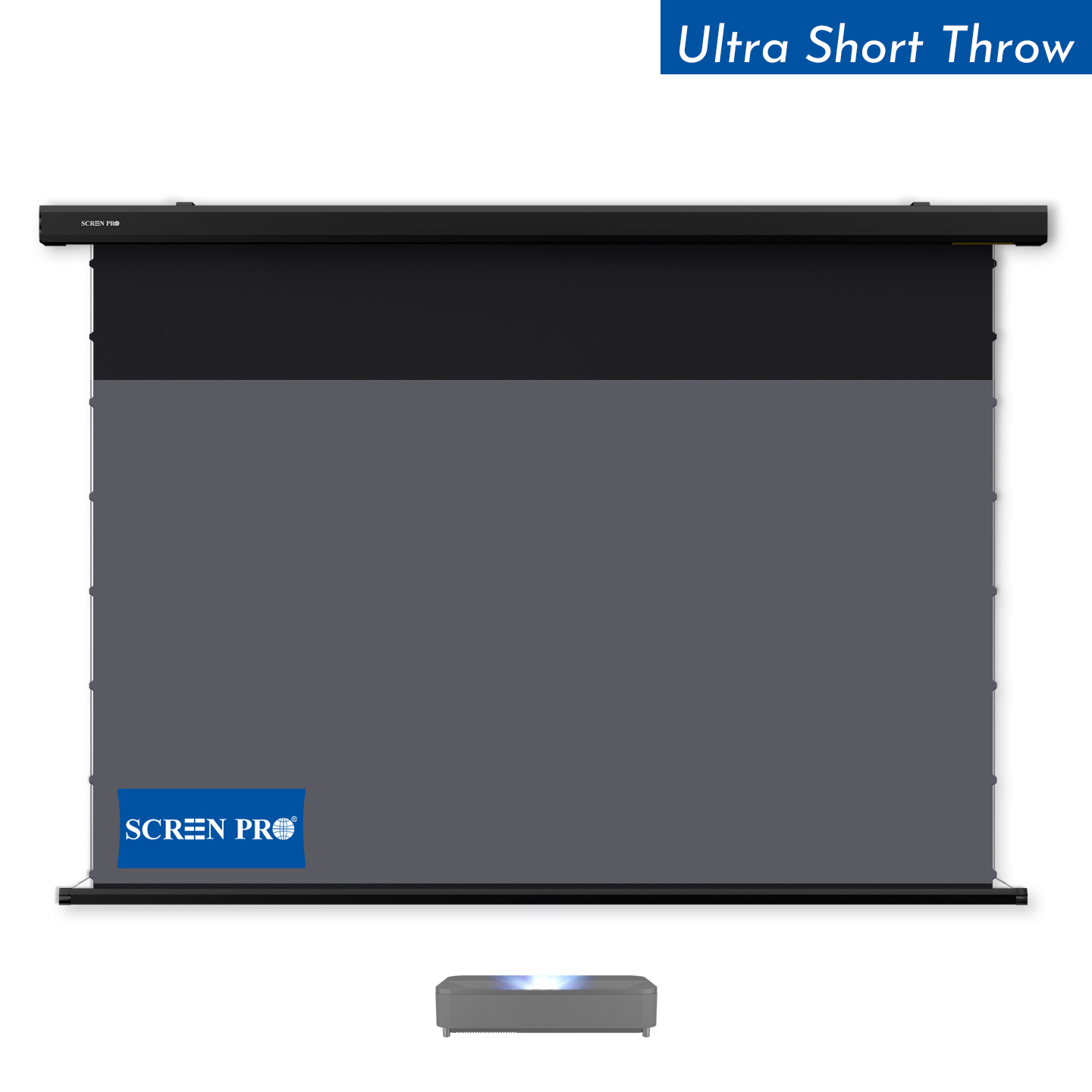
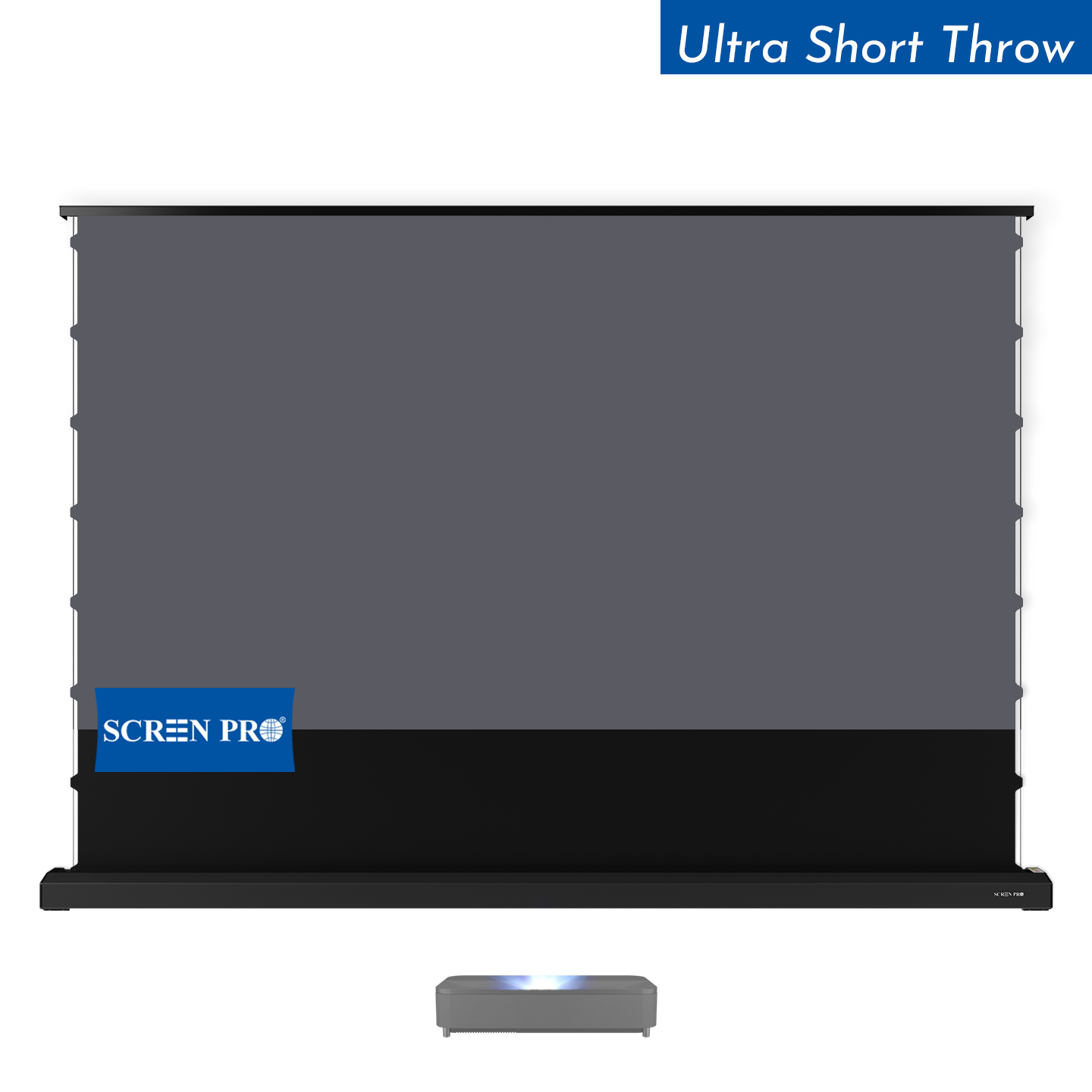
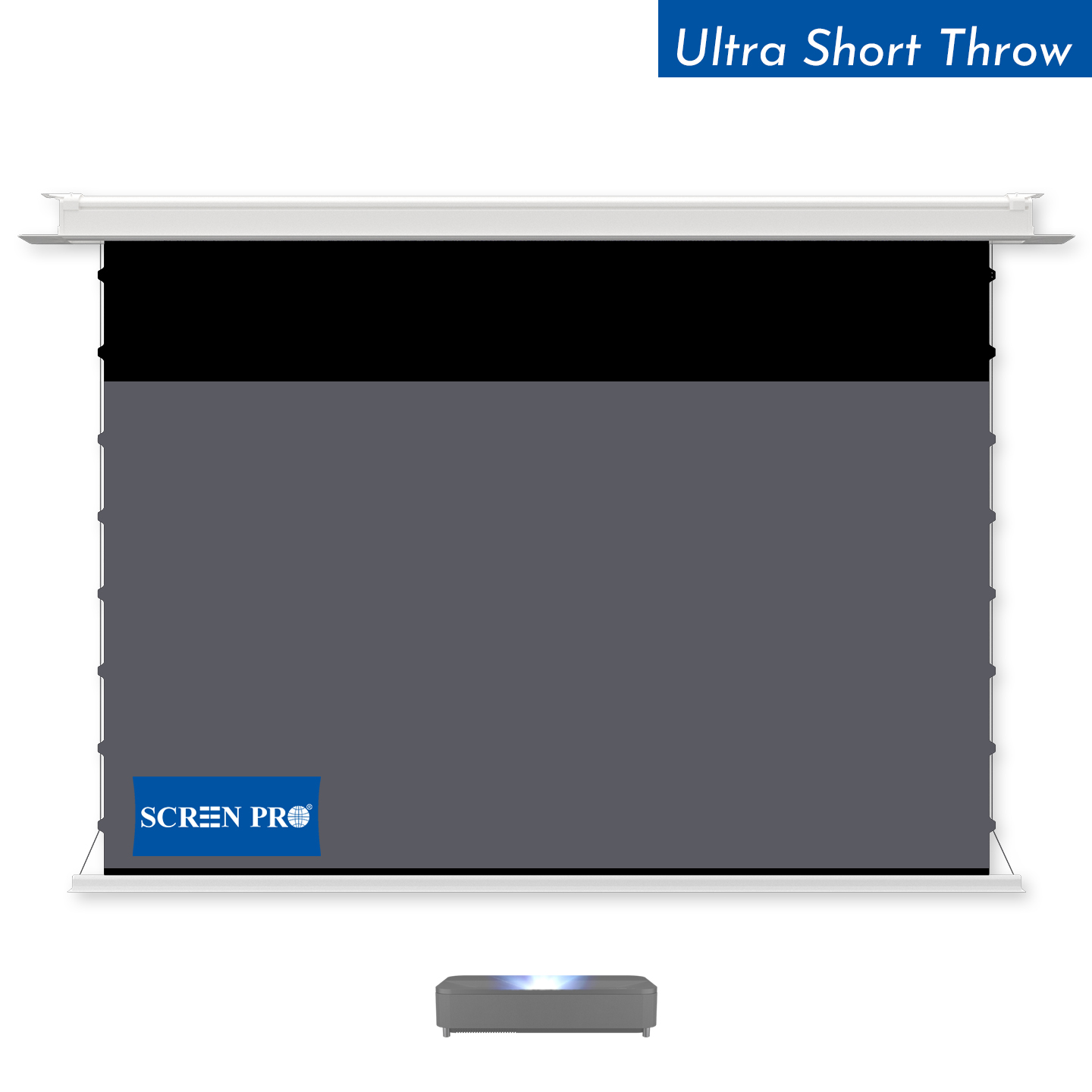
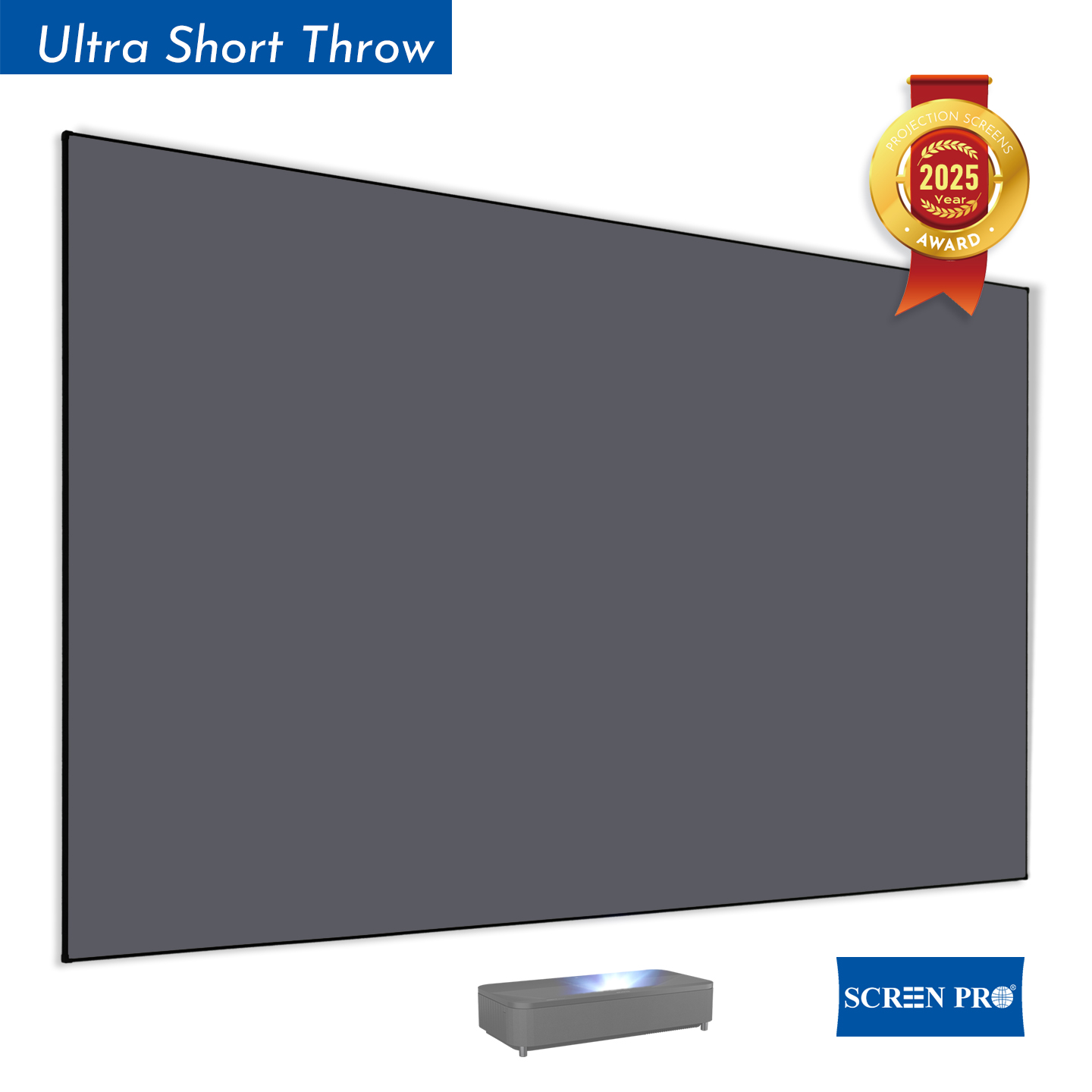
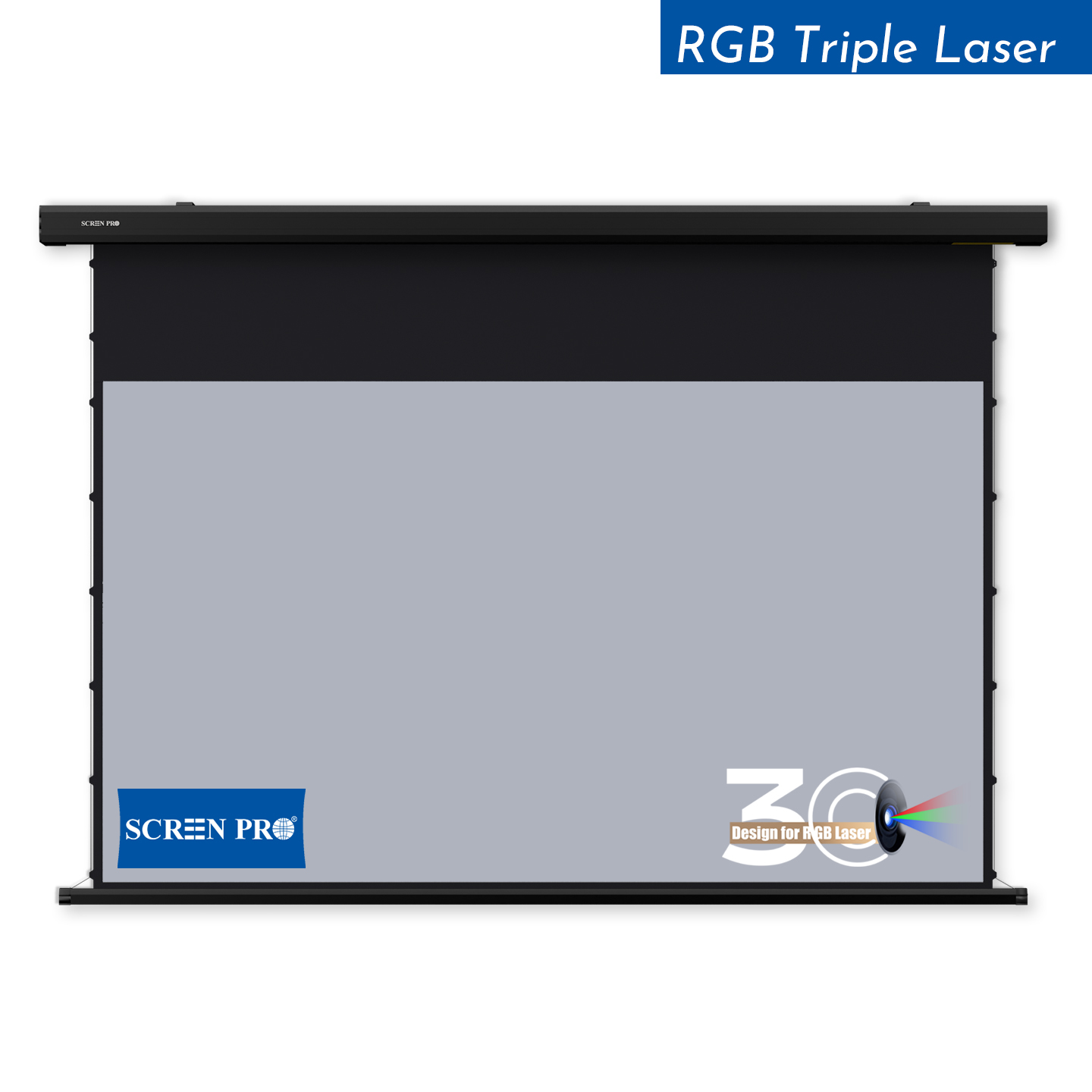
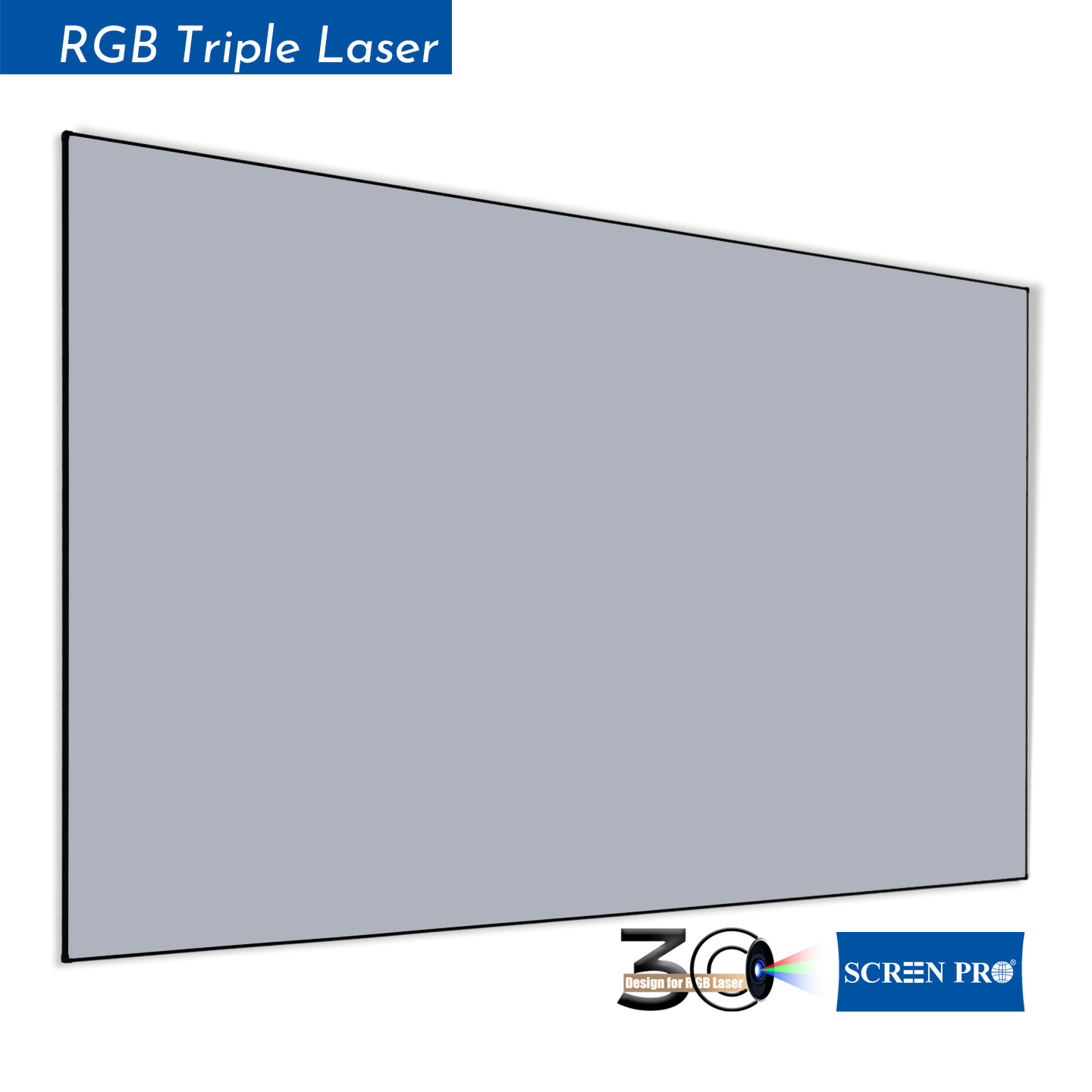
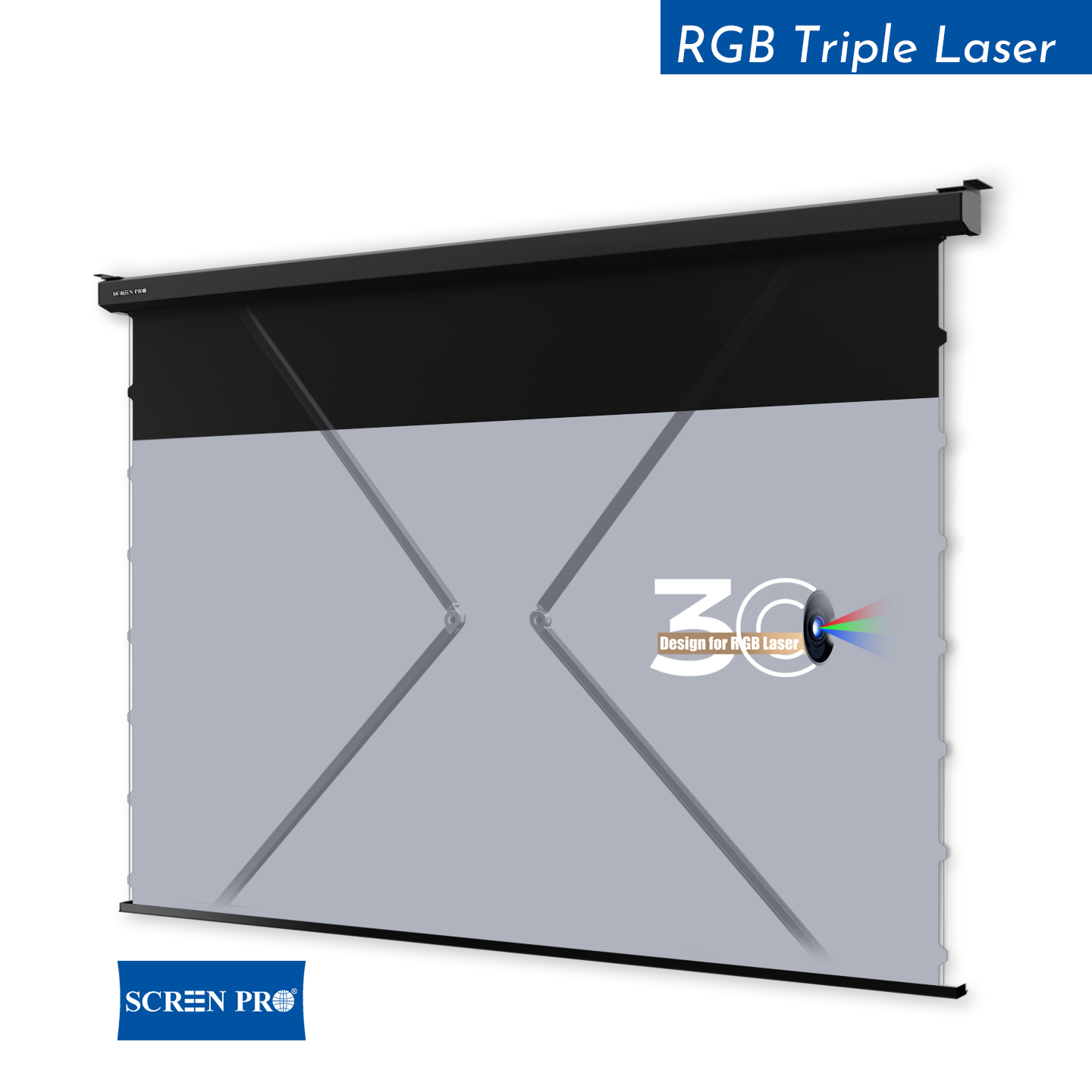
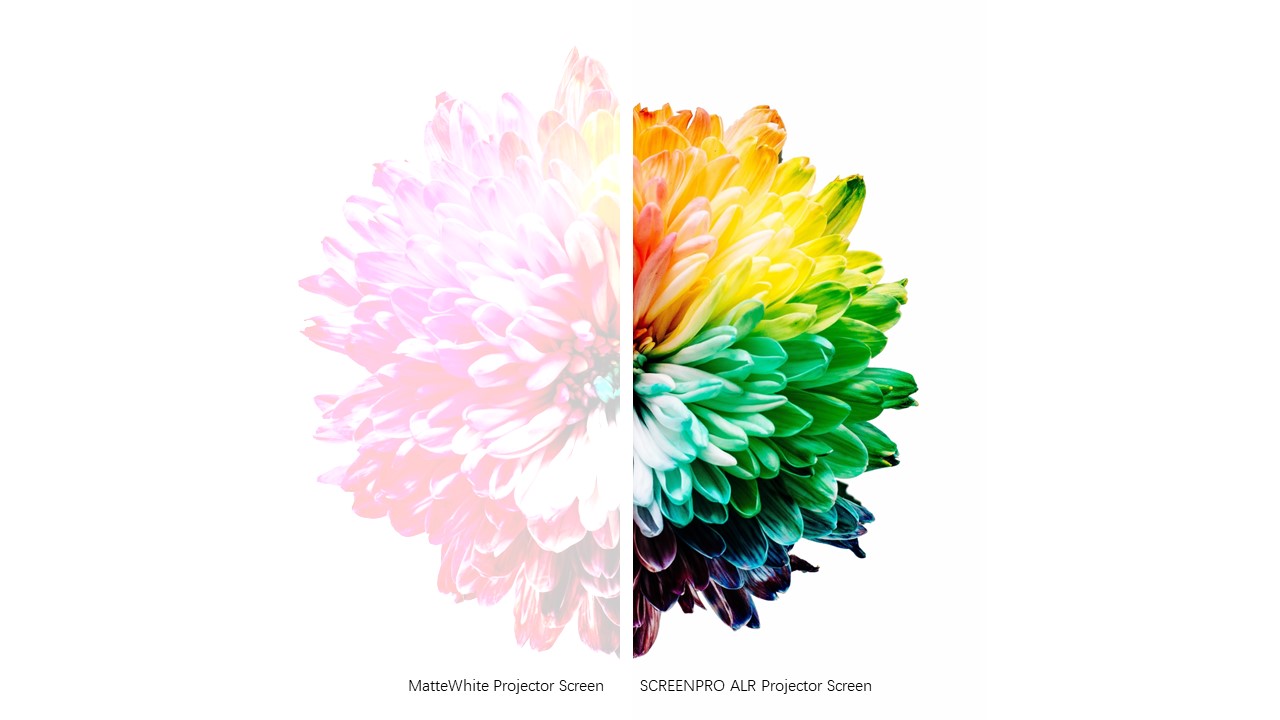
SCREENPRO offers different projection screen materials optimized for Ultra Short Throw (UST) and Standard Throw projectors. Choosing the correct screen material helps improve brightness, contrast, ambient light rejection and overall viewing experience.
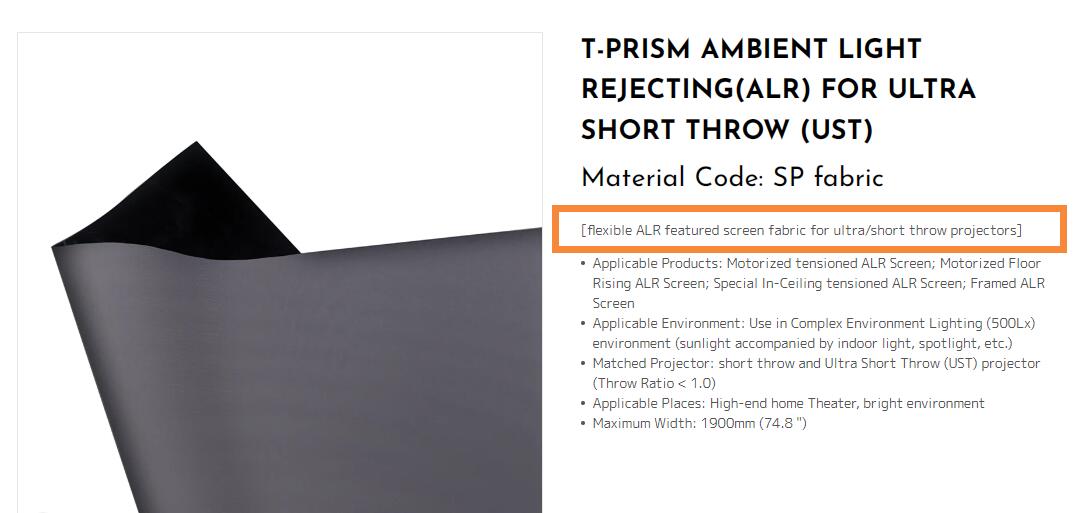
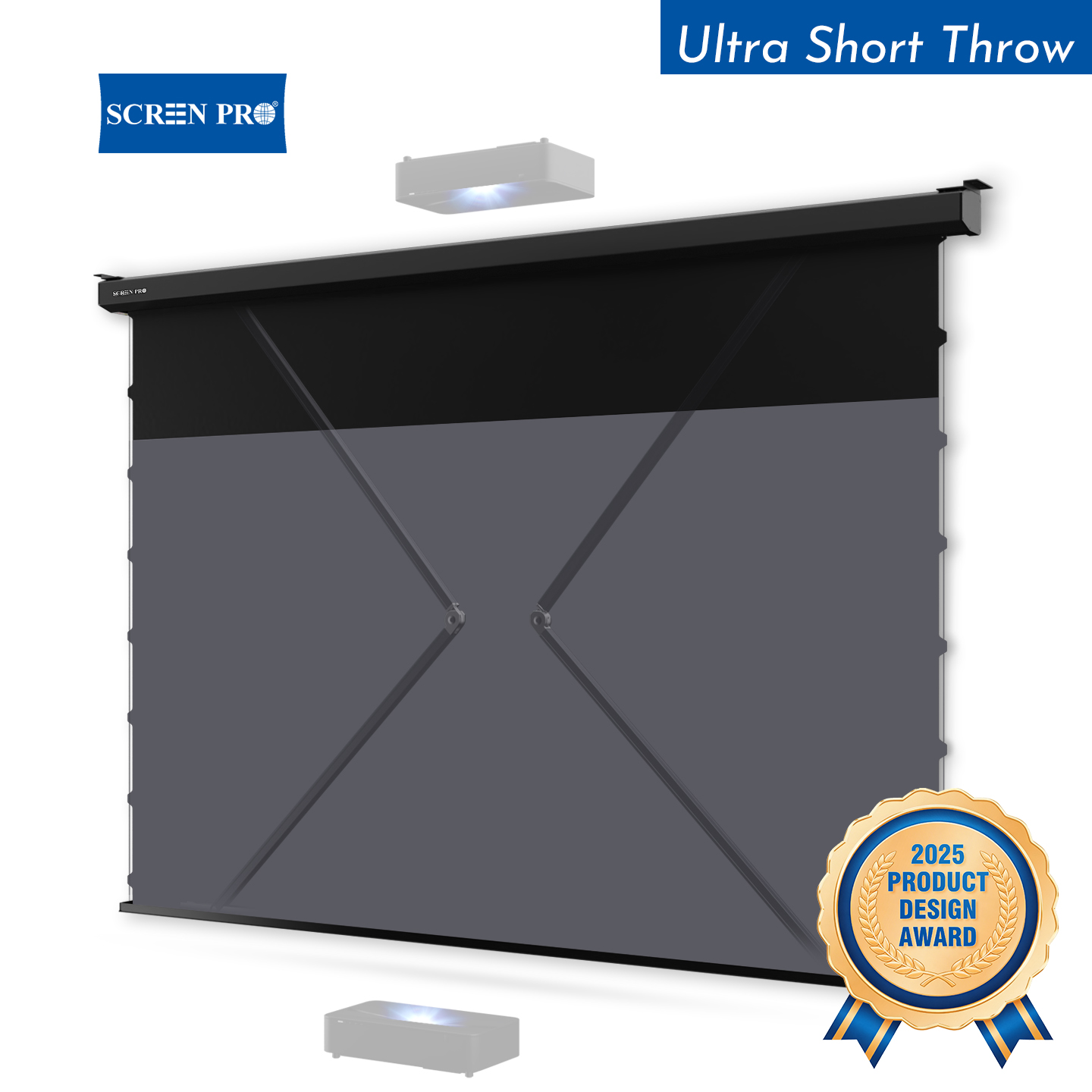
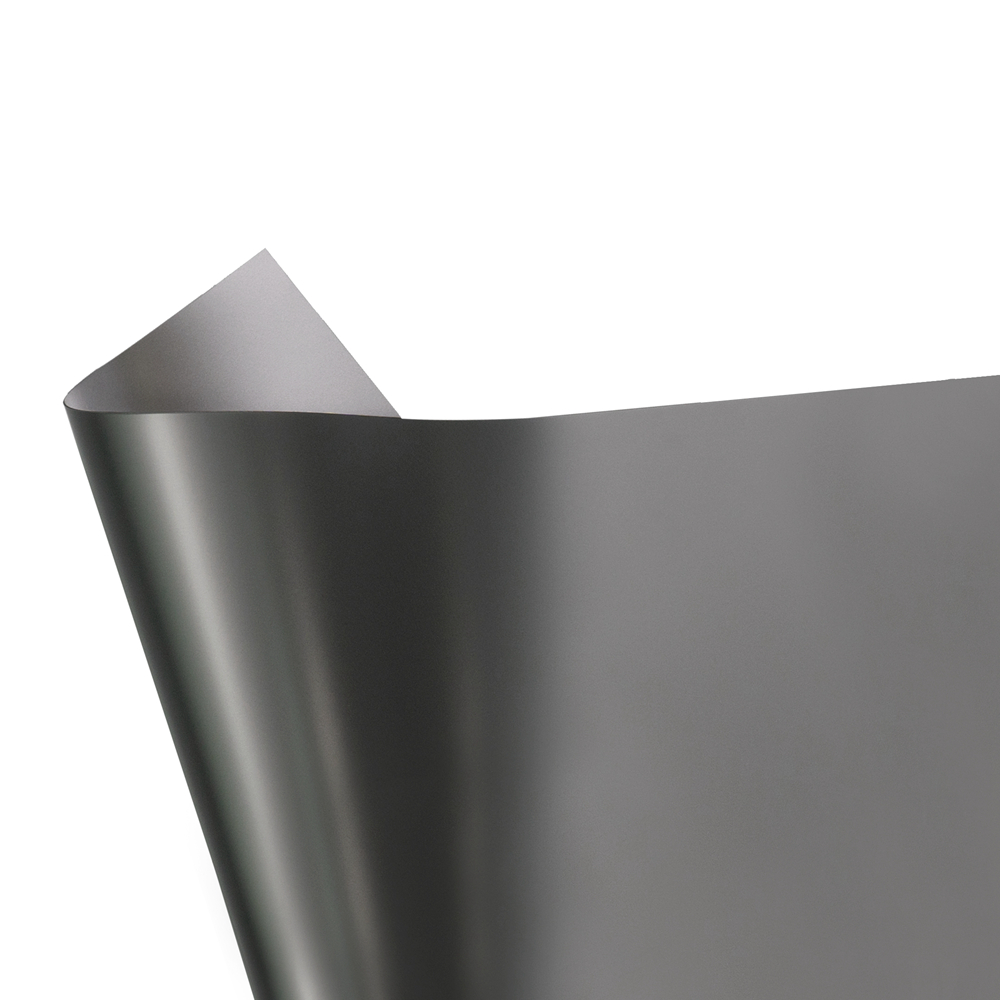
UST ALR Screen Material
Designed for Ultra Short Throw (UST) projectors with superior ambient light rejection and high contrast performance.
Learn More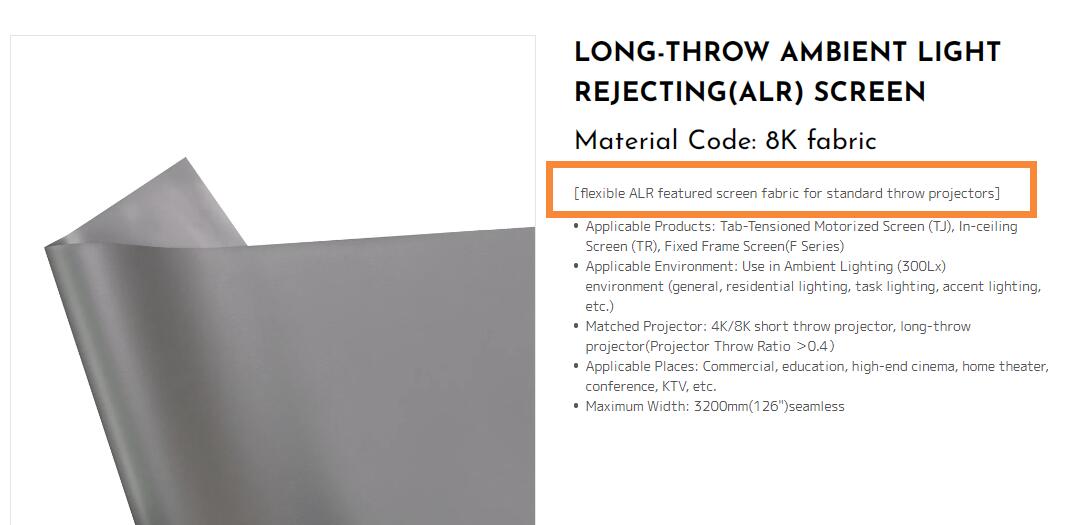
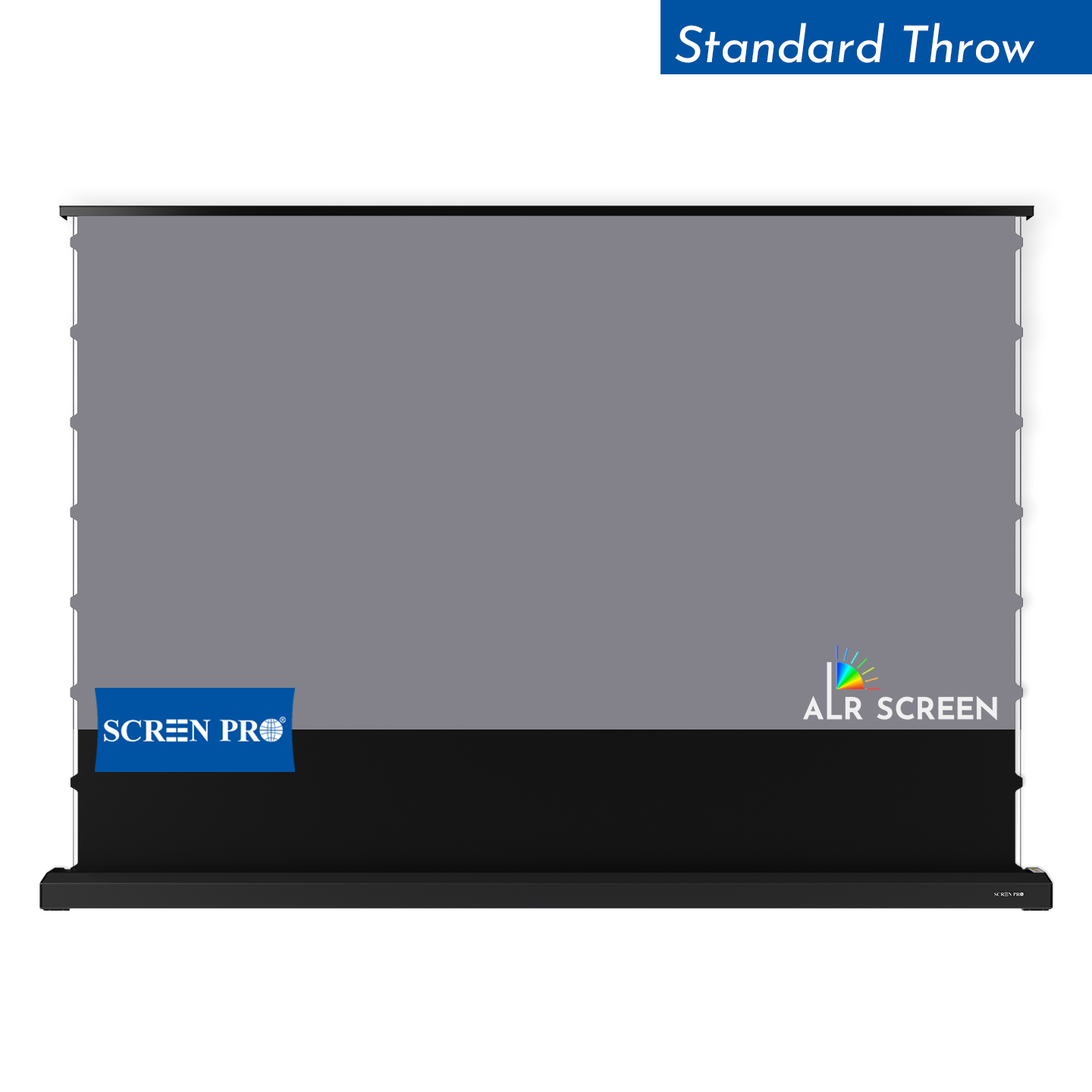
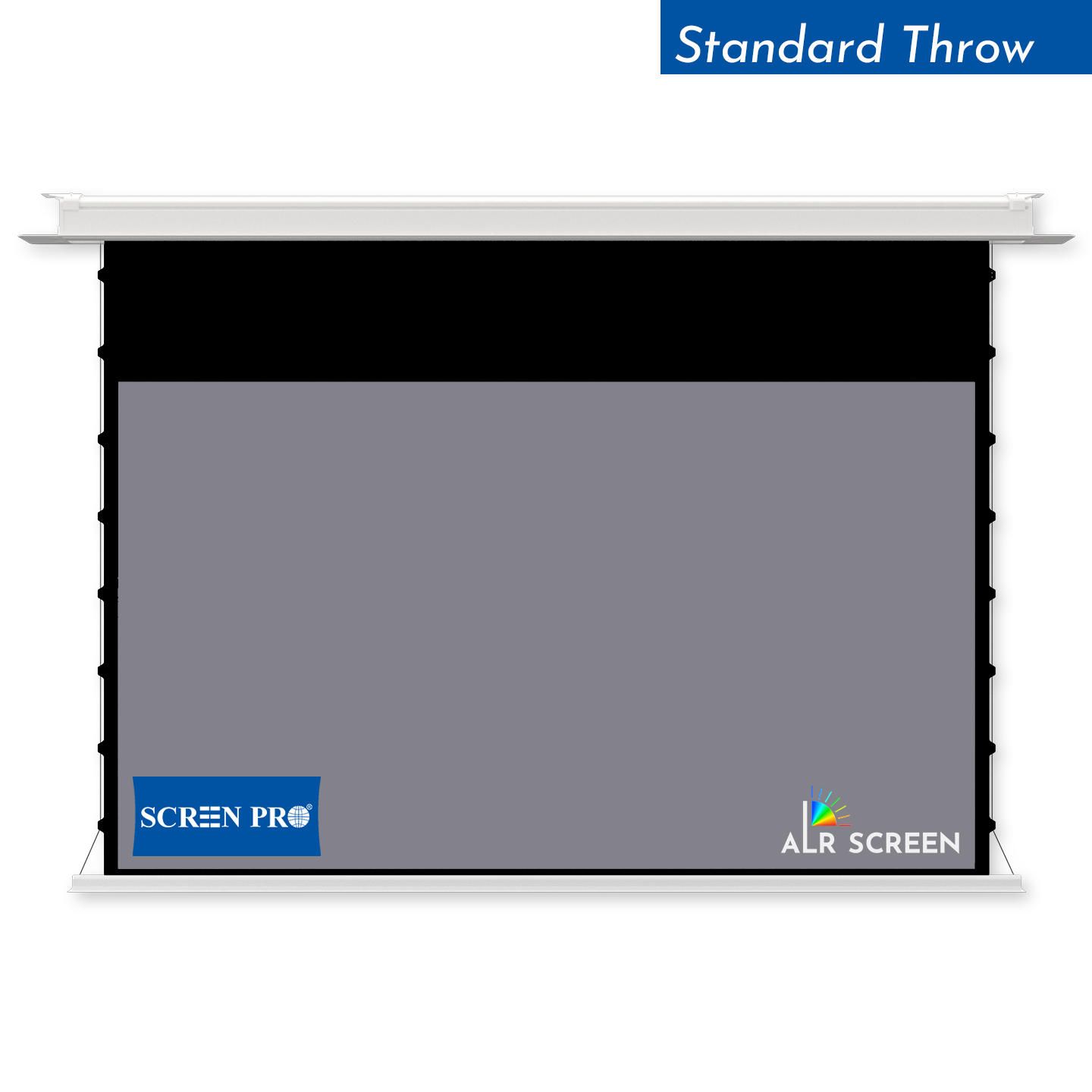
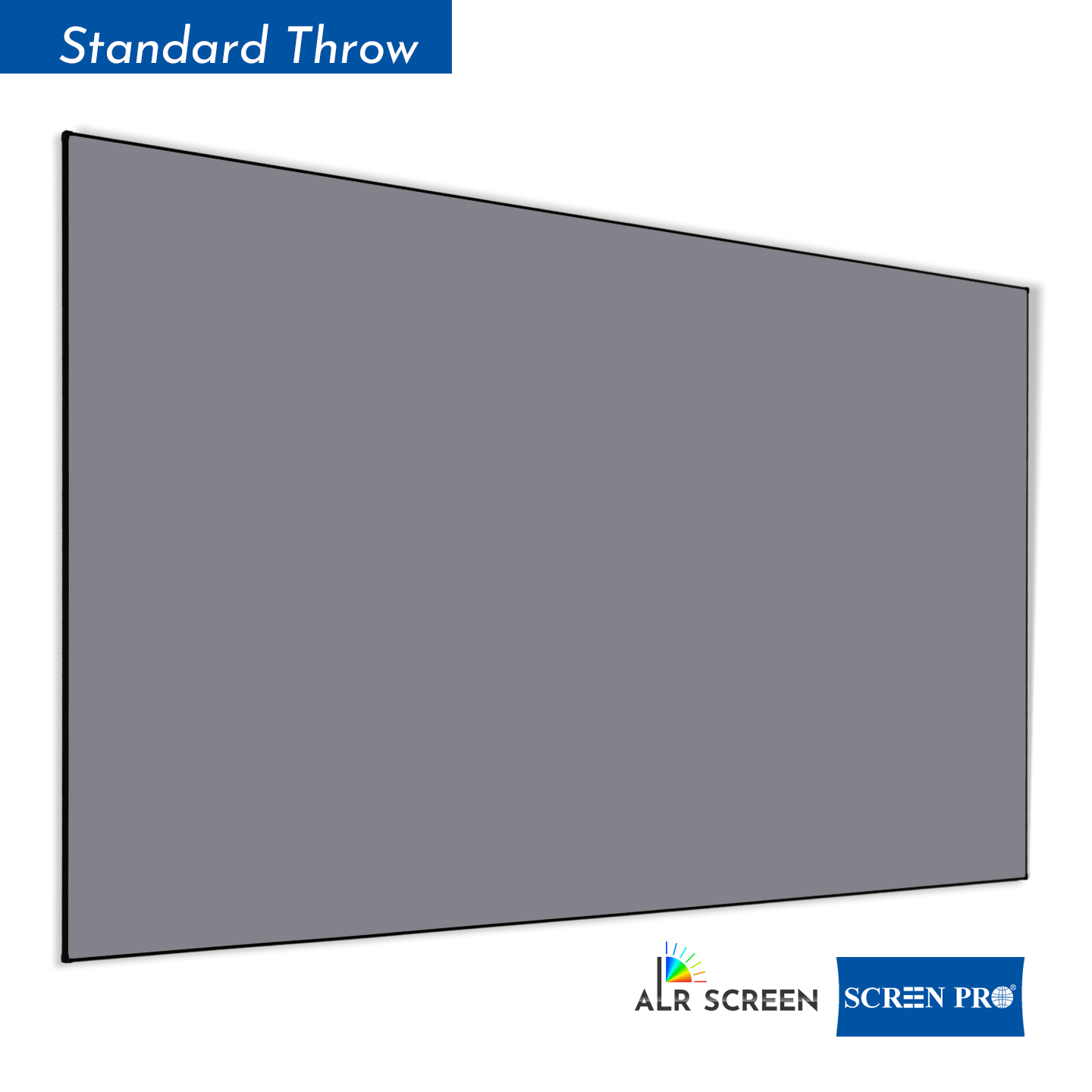
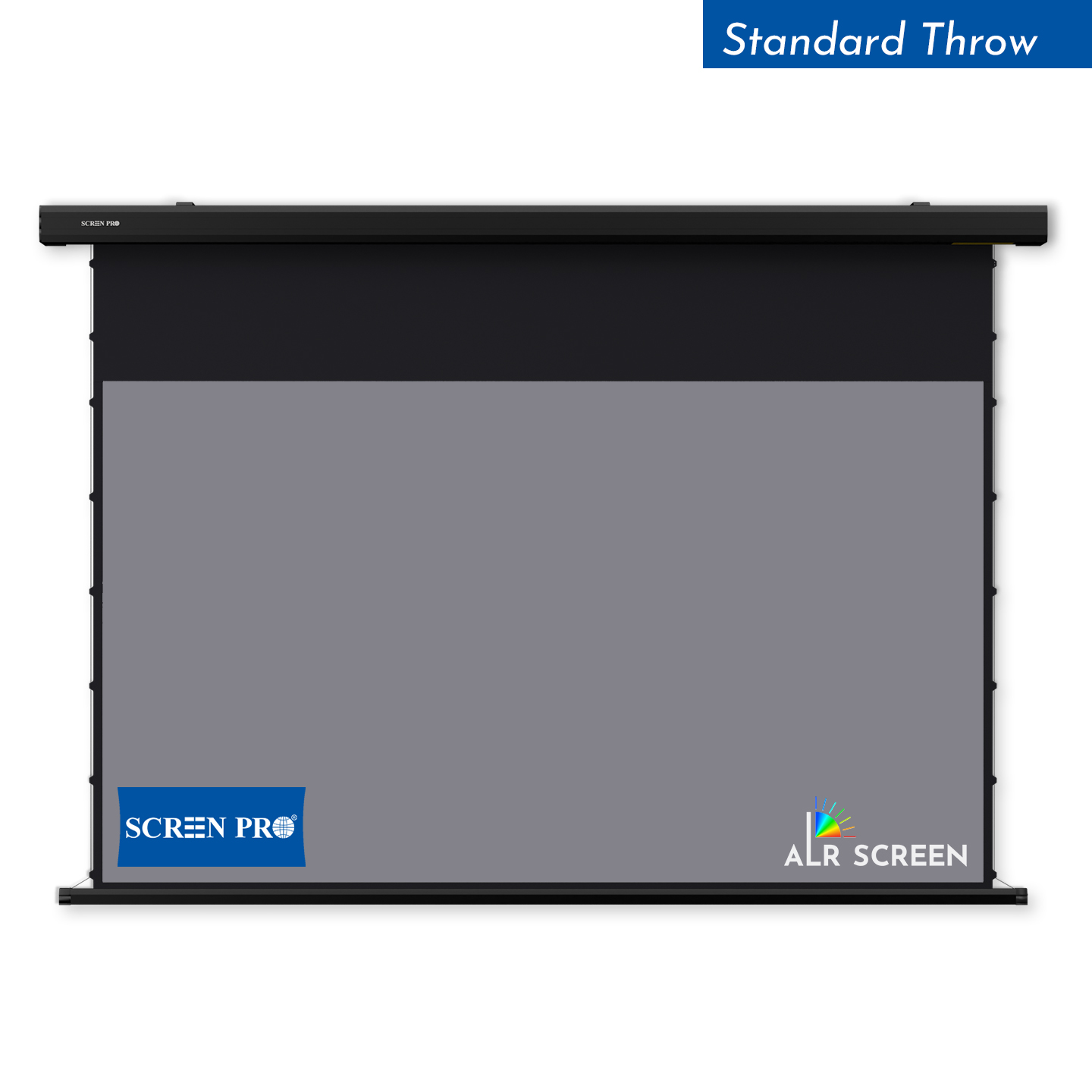
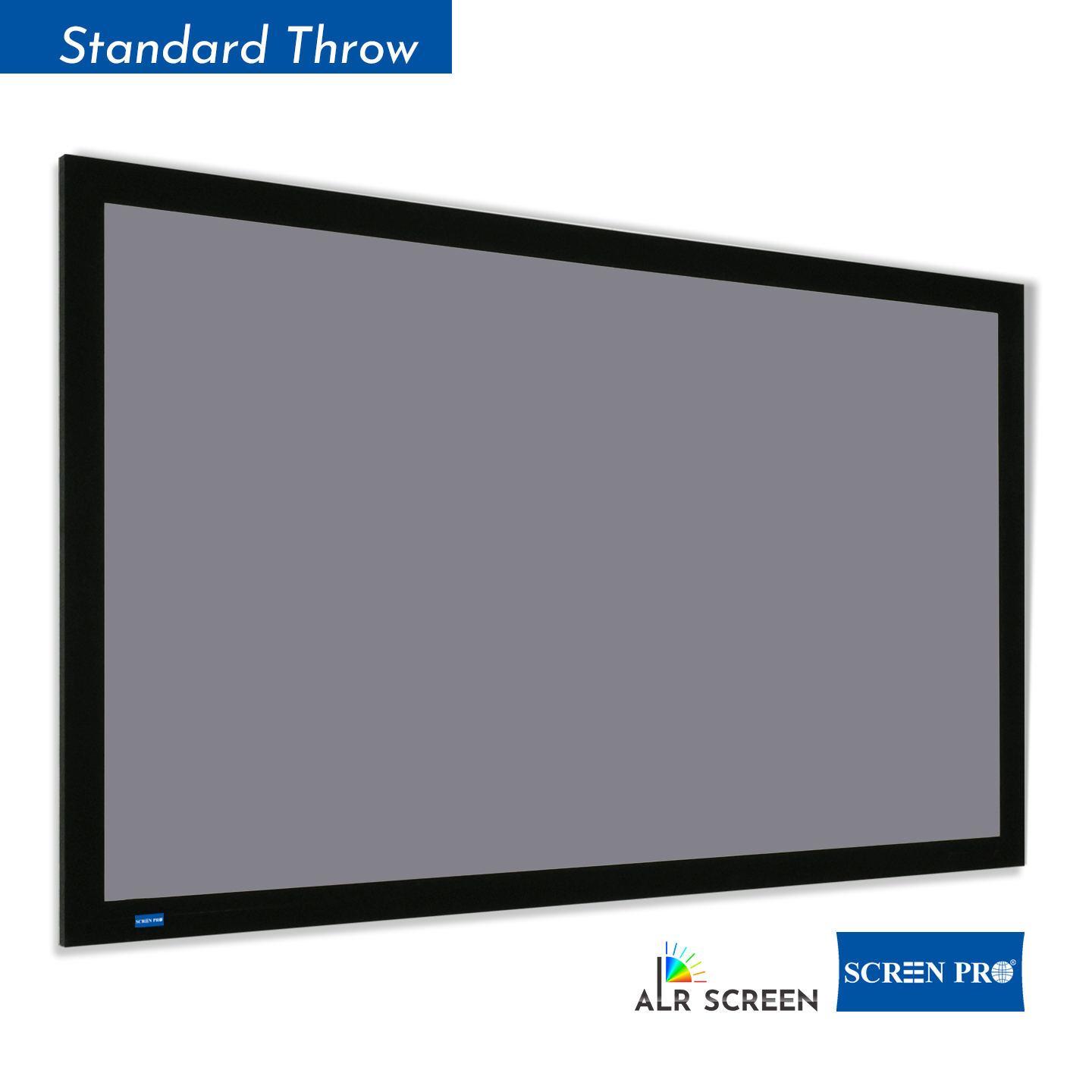
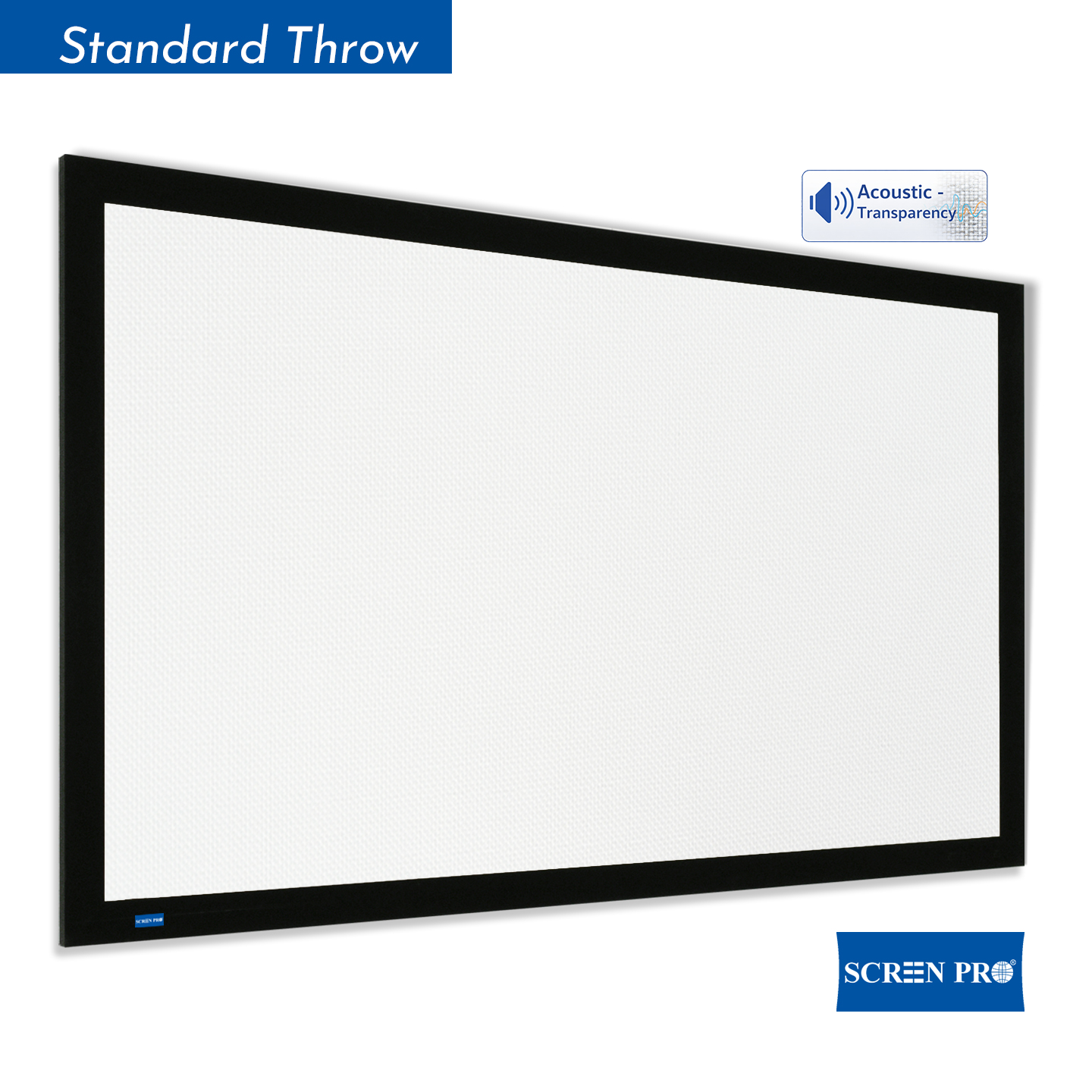
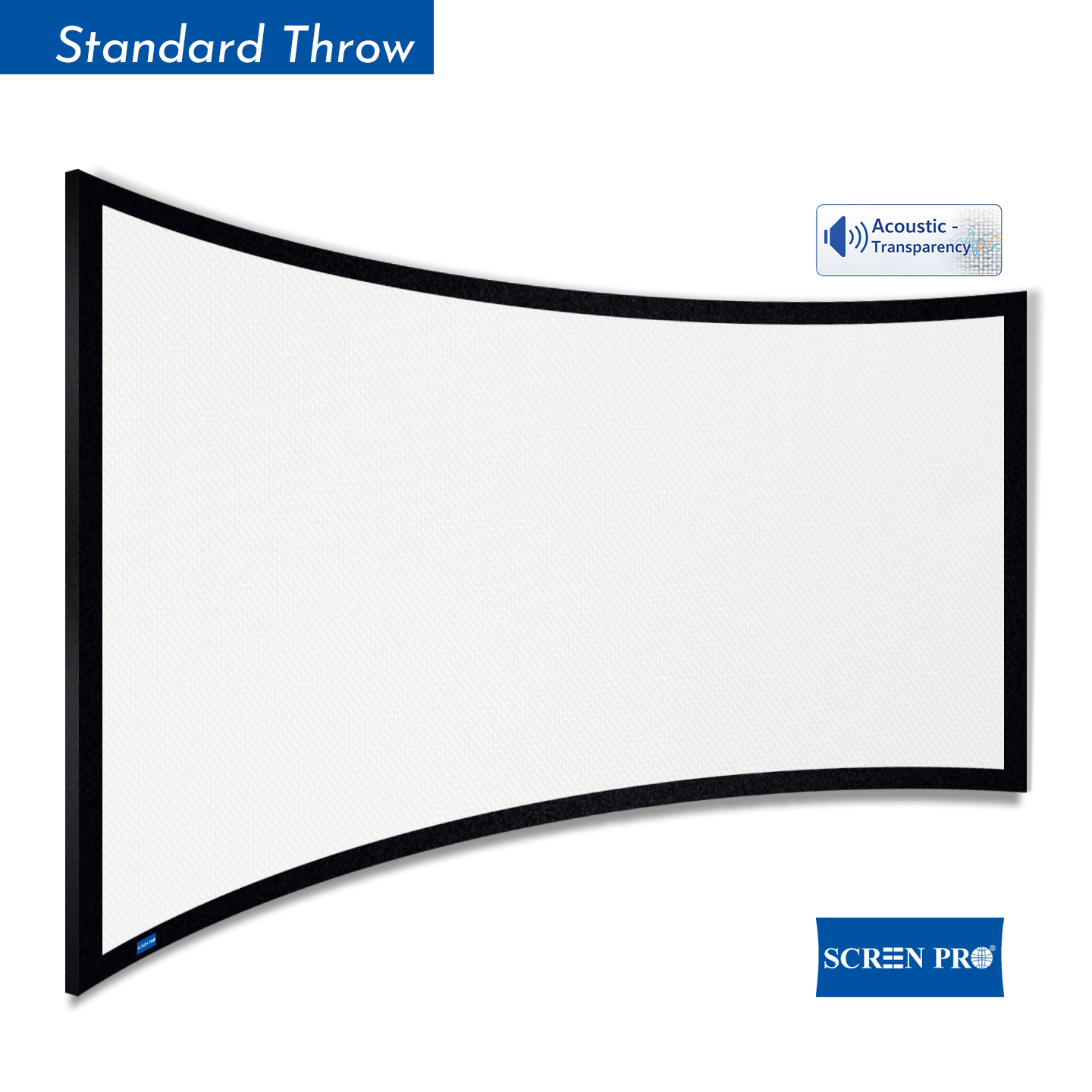
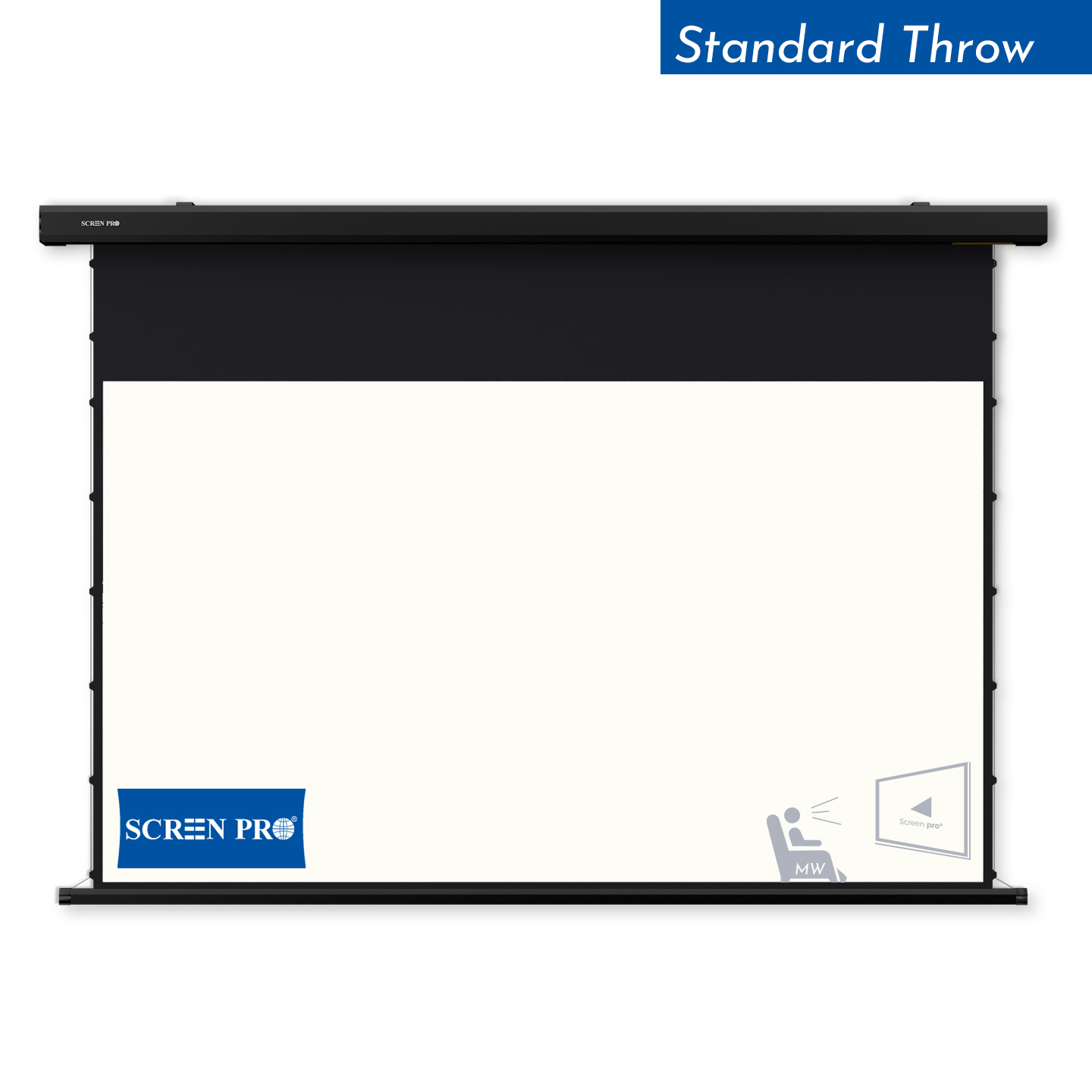
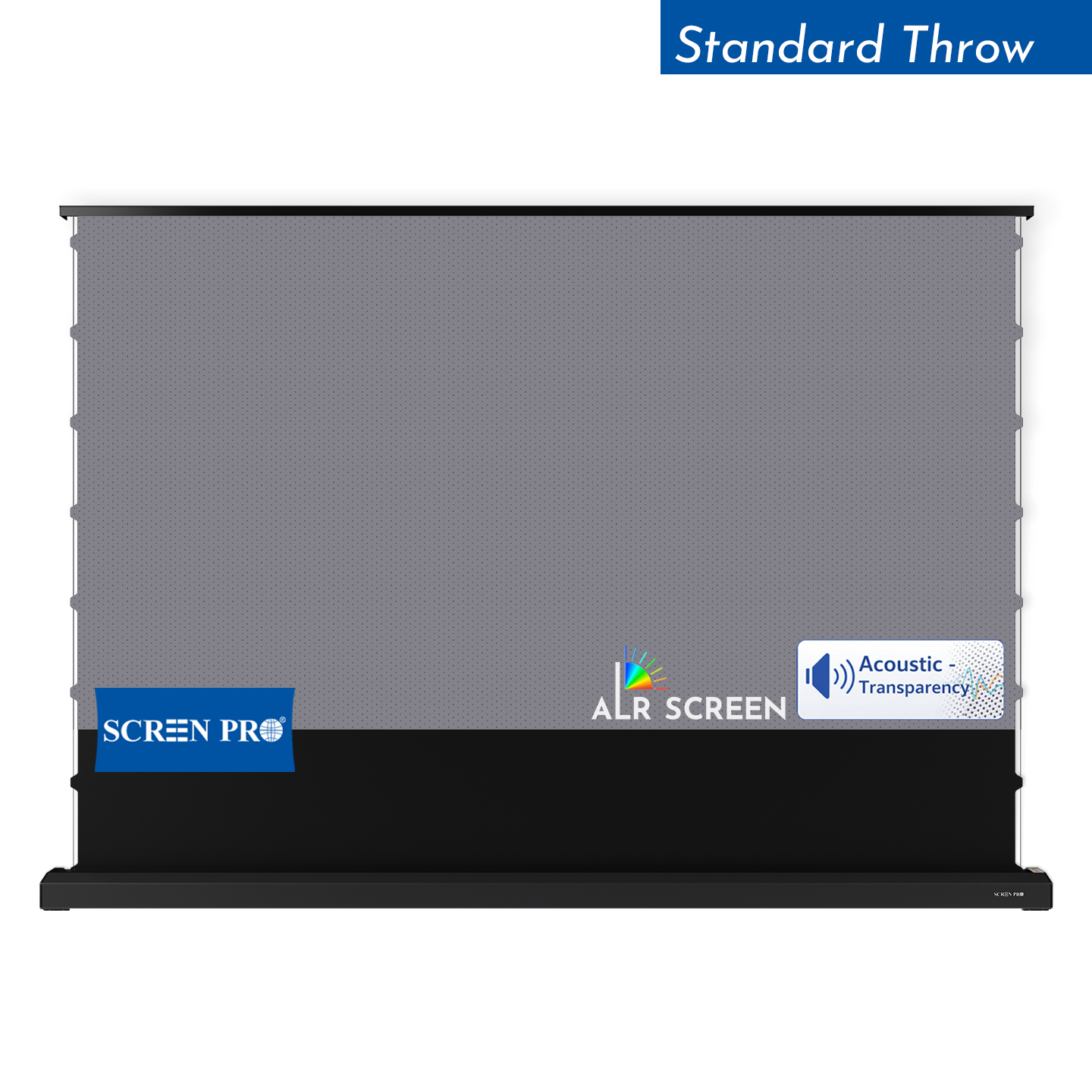
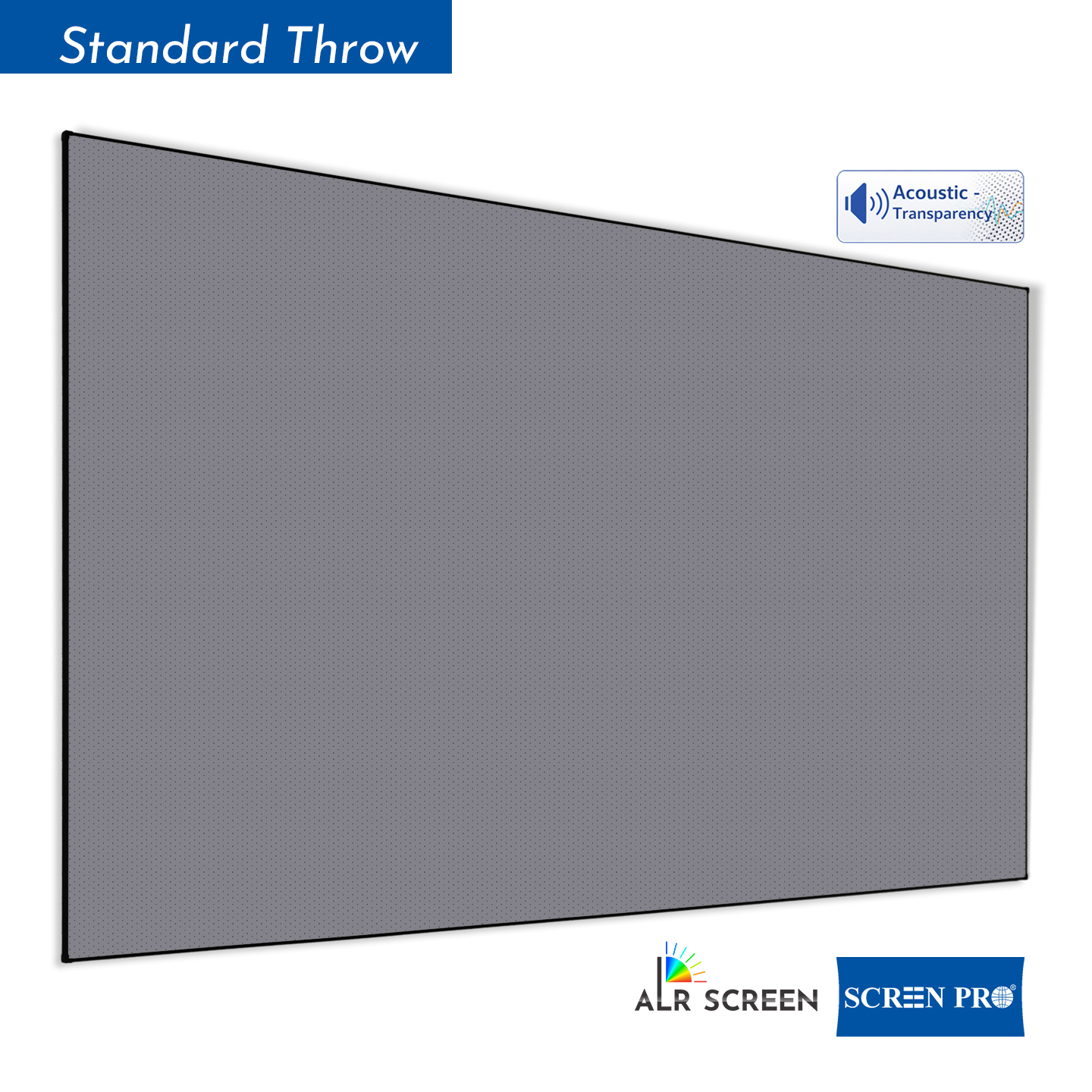
Standard Throw ALR Screen Material
Optimized for standard throw projectors to deliver improved image contrast while reducing the influence of ambient light.
Learn MoreA higher gain projector screen is not always better. The ideal screen gain depends on your projector brightness, room lighting, viewing angle and installation environment.
If your projector will be used in a room with significant ambient light, a higher gain screen can help maintain a brighter image.
For rooms with approximately 10–30% ambient light, a screen gain between 1.0 and 1.3 usually provides the best balance of brightness, contrast and viewing angle.
Learn how projector screen gain, ambient light rejection and projector type affect your final image quality.
Projector screen gain measures how much light a screen reflects back toward the viewer compared with a standard matte white surface. A gain of 1.0 is considered neutral.
No. A higher gain screen can increase image brightness, but it may reduce viewing angle or cause hotspotting.
Generally, no. UST ALR screens and standard throw ALR screens use different optical structures.
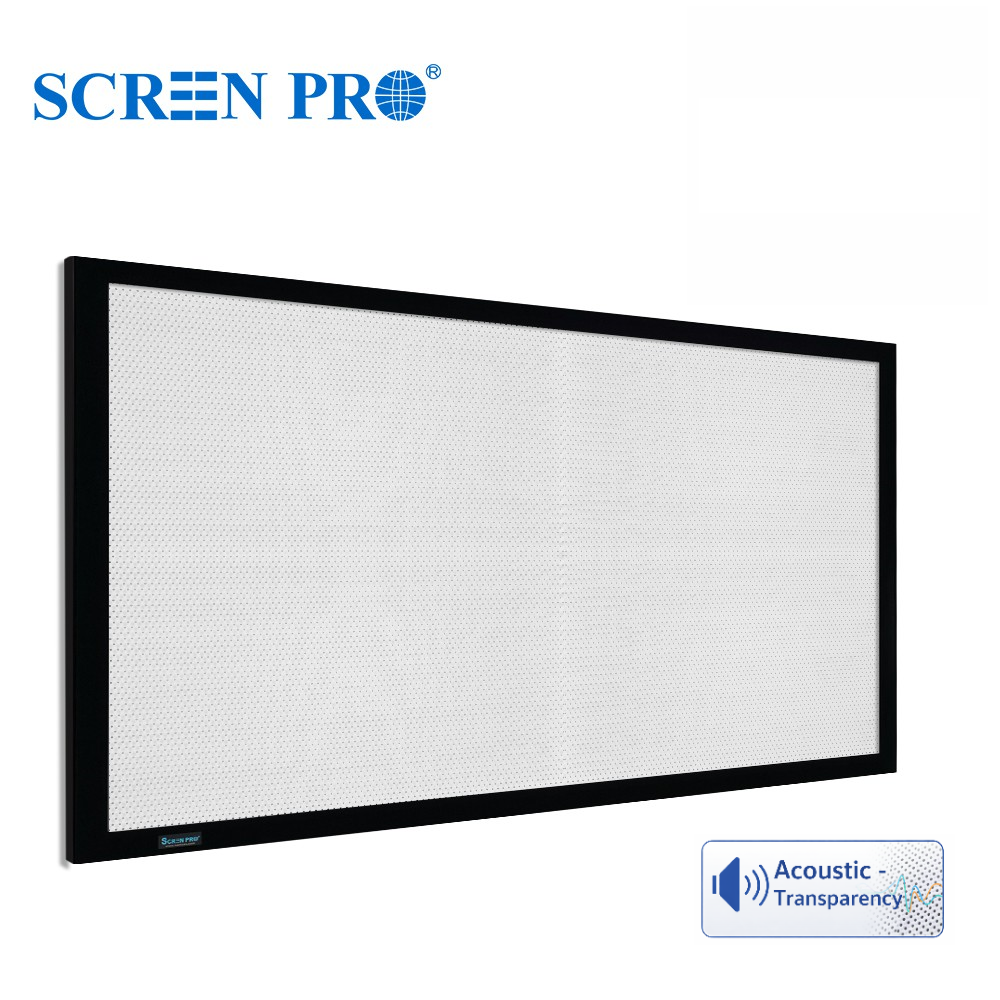
Explore SCREENPRO projection screen materials designed for UST, standard throw, anti-speckle and acoustic transparent applications.
Not sure which projection screen material is best for your projector? SCREENPRO can recommend the right screen based on projector model, throw ratio, room lighting and installation type.





© Copyright 2004-2026 SCREEN PRO® All Rights Reserved | Specifications are subject to change without notice. All Rights ReservedSite Map Designed by iwonder.cn